Ecology & Ecosystem Restoration Internship (MSc/BSc University Level)
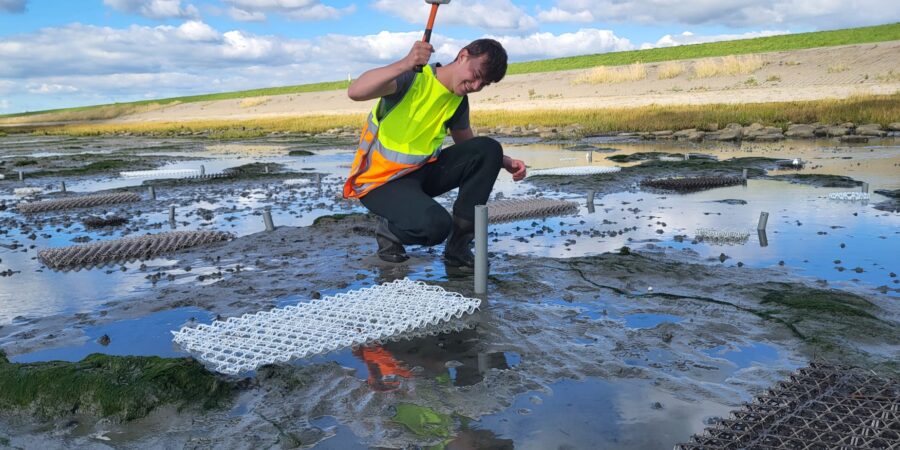
Contribute to real-world ecosystem restoration
Are you a university student in Ecology, Marine Biology, Biology, Environmental Sciences, or a related field? Are you looking for a hands-on internship where you can experience how ecosystem restoration projects are developed, tested, and implemented in practice?
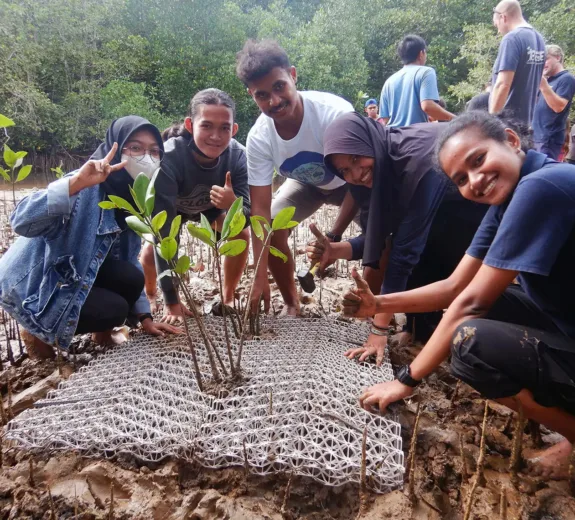
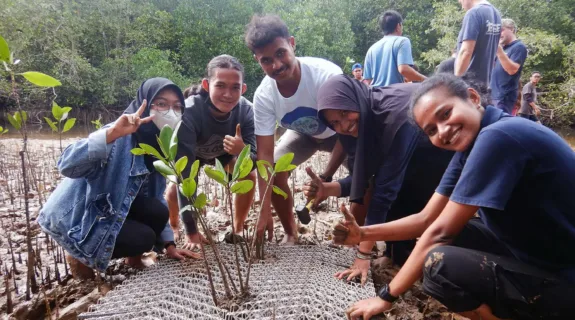
BESE develops and produces biobased solutions for ecosystem restoration. Our products are used in projects related to riverbank restoration, mangroves, coral reefs, shellfish restoration, and biodiversity enhancement. During this internship, you will support a variety of projects and gain experience in an innovative company working at the intersection of ecology, engineering, and nature restoration.
Please note: this is a practical internship and not a thesis or graduation research project.
Location: Our office in Culemborg
Start date: December 2026 / January 2027
Duration: 3–6 months
Application deadline: 1 November 2026
What will you do?
Depending on your interests, experience, and ongoing projects, you may be involved in:
- Analysing ecological datasets using statistics and R.
- Interpreting monitoring results from ecosystem restoration projects.
- Translating scientific literature into accessible content for clients, governments, and other stakeholders.
- Supporting the creation of ecological content and new website pages.
- Reviewing technical and ecological information.
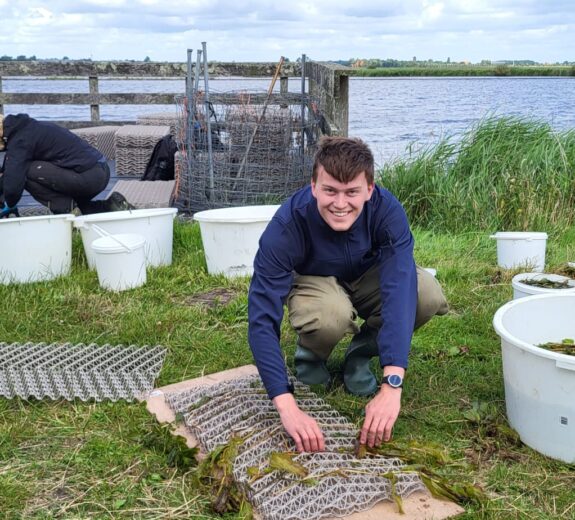
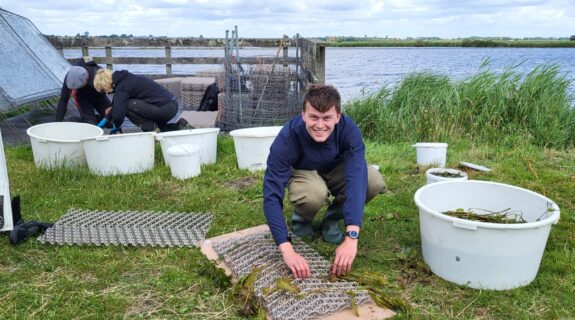
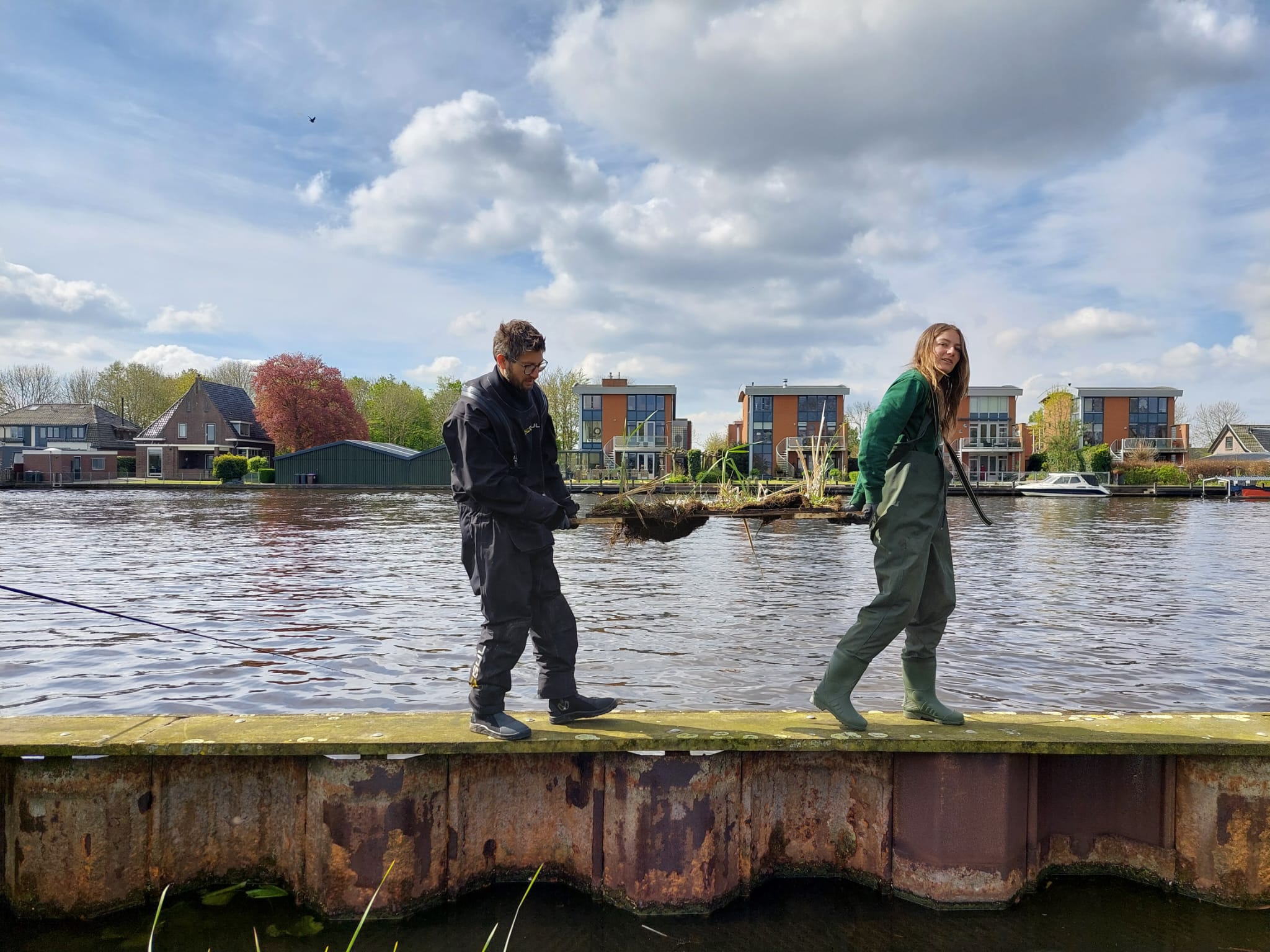
- Assisting with fieldwork and monitoring activities when required.
- Supporting product development projects and practical tasks in our workshop and warehouse.
The work is highly varied. One week you may be analysing ecological data, while the next you could be helping with product testing or developing content for a restoration project.
Where will the internship take place?
BESE consists of a research team of six enthusiastic colleagues who collaborate with universities, manufacturers and our sister company Waardenburg Ecology, an ecological consultancy employing approximately 175 specialists.
As an intern, you will become part of the BESE research team and primarily work from our office, laboratory and workshop facilities in Culemborg, the Netherlands.
Who are we looking for?
You are:
- A university student in Ecology, Marine Biology, Biology, Environmental Sciences, or a related discipline.
- Passionate about ecosystem restoration and biodiversity.
- Familiar with statistics and preferably R.
- Able to critically assess scientific information.
- Comfortable working independently and within a small team.
- Detail-oriented and eager to learn.
What do we offer?
- Direct involvement in international ecosystem restoration projects.
- Hands-on experience in an innovative environmental scale-up.
- Mentoring from professionals with backgrounds in ecology, restoration, and product development.
- A unique combination of scientific, communication, and practical work.
- Plenty of opportunities to take initiative and develop new skills.
About BESE
Aquatic ecosystems play a vital role in supporting biodiversity, capturing carbon and protecting coastlines and riverbanks from erosion and flooding.
Over the past century, approximately 65% of the world’s aquatic and coastal ecosystems have been degraded or lost. Ecosystem degradation affects the well-being of an estimated 3.2 billion people worldwide.
The BESE product line, with BESE-elements as its flagship product, provides a sustainable alternative to traditional restoration methods that rely on plastics and concrete. Our products mimic natural structures such as root systems, plant stems and shellfish reefs. Over time, the materials gradually biodegrade, leaving behind a self-sustaining natural ecosystem.
Founded in 2018, BESE aims to demonstrate that ecosystem restoration can be achieved without plastics and concrete. Through global collaboration, knowledge exchange and continuous product innovation, we help restore nature in vulnerable environments worldwide.
We work on product development, material performance research and new restoration applications while supporting both ecosystems and local communities.
Would you like to contribute to the future of biodegradable materials for ecosystem restoration?
Send your CV and motivation letter as soon as possible to:
For questions, you can contact Peter Vodegel
p.s.m.vodegel@bese-products.com
+31-626434969