BESE-reef paste how it is made
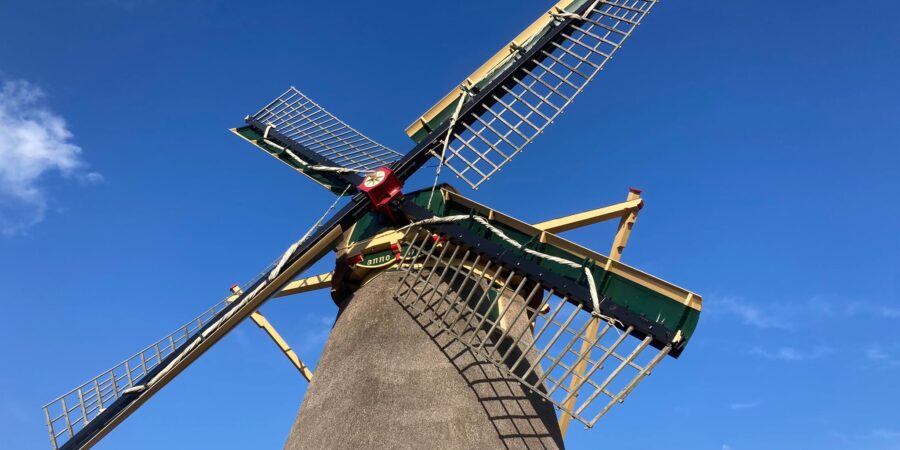
Biodegradable oyster reef restoration
The story ‘ From windmill to wind farm – circular oyster reef restoration techniques’ was part of a radio interview (in Dutch) that you can listen to here.
Starring Harm-Ydo Hilberdink (Krijtmolen D’Admiraal) and Karin Didderen (BESE). If you are not fluent in Dutch, or you want to know more after listening to the radio item, you can read the text below to get some insight in the process of making BESE-reef paste.
Imagine: Amsterdam in the 19th century
Built in Amsterdam in 1792, you will find a unique Dutch windmill: the wind-powered trass- and chalk mill “d’Admiraal”. This mill was built specially for grinding shell and stone. Limestone from France and volcanic stone from Germany were brought to Amsterdam by ship. They arrived via Amsterdam’s harbour and the large canals. Trass, the end product, was in high demand at that time. It was an important bricklaying product used to build and waterproof Amsterdam canal houses.
When you walk further, you reach Amsterdam Dam Square with its historical Royal Palace. Here, you would find a special oyster market. The oysters for sale were from Holland and renowned for their exquisite quality. They were consumed in large numbers in luxurious “oyster salons”. Even the Tsar of Russia was so fond of their taste that he imported them directly to Saint Petersburg.
Fading away in the 20th century
After a thriving century both establishments fainted away. Windmills were replaced by oil fueled engines. The native oysters suffered from overharvesting and diseases and disappeared from the Dutch North Sea.
Now windmills and oysters are back!
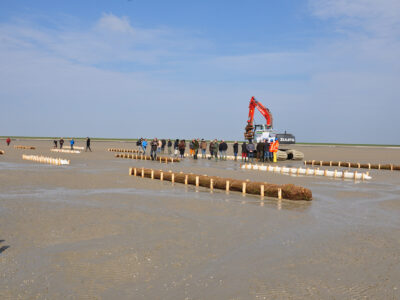
After being rediscovered in 2015, the native oyster returned to the North Sea. Windfarms now combine sustainable energy with oyster habitat restoration.
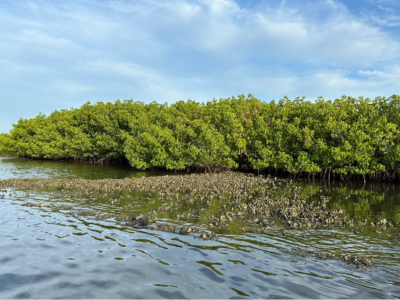
A key requirement for regaining native oysters is stable material for larvae attachment. This used to be live oysters. With most oysters gone, we need shell-like materials to help start new reefs.
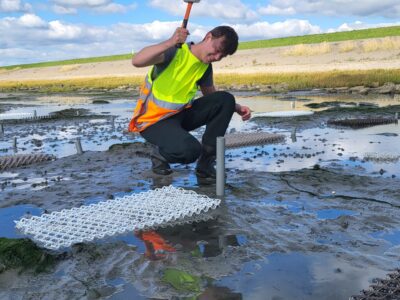
This is where BESE-reef paste comes in. Made from ground oyster shells, it attracts oyster larvae. It coats artificial materials placed offshore. It also binds shells, creating heavy lumps that stay stable on the rough sea floor. Additionally, it can be molded into shapes to optimize oyster settlement.
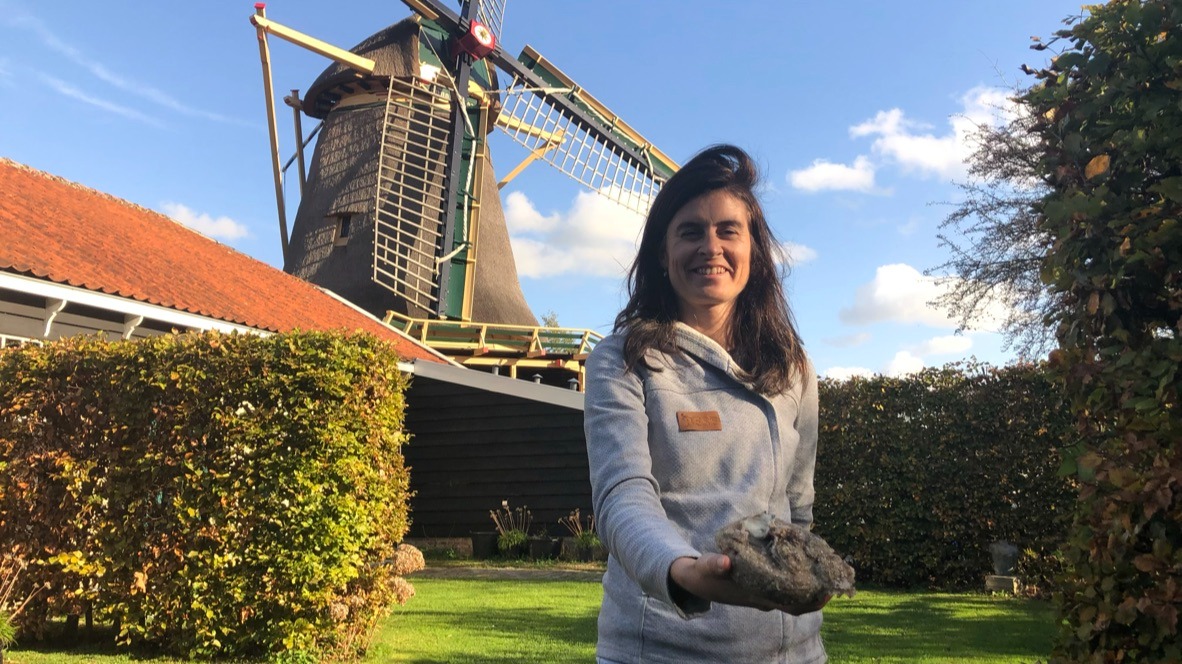
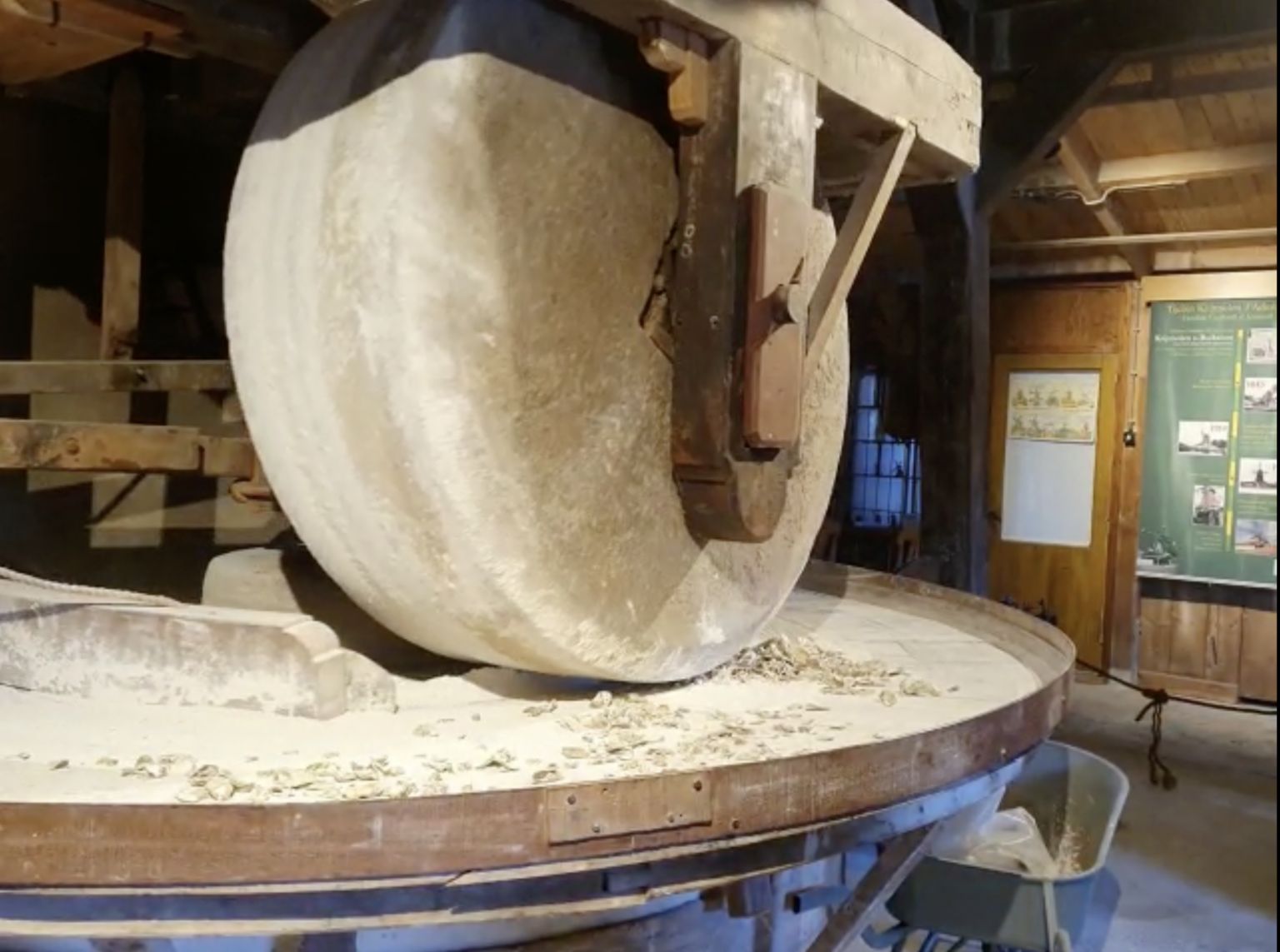
We are committed to sustainable production. We collaborated with the last historical chalk windmill in our country. Originally designed for grinding shells and stone, its millstones now grind shells for our BESE-reef paste!