


An innovative apartment complex was constructed in Amsterdam and additionally, the contractors wanted to increase the water quality. Our BESE-elements were the perfect solution.


BESE-elements were placed below 6 jettys to create habitat for freshwater mussels, which in turn will filter the water and improve water quality in the city waters.

Results achieved
- 15 artificial reefs full with mussels and sponges
- 15 Natural water filters
Project partners


Mussels as waterfilters
Mussel take up water, consume the organic particles as food and expel clear water. A single mussel can filter up to 57 liters of water per day, equivalent to the water in one bathtub. Now envision thousands of mussels filtering day in and day out for free. These mussels have the potential to effectively clean polluted city waters without the need for expensive equipment.


Attracting mussels without plastic
Mussels readily settle on various surfaces, with plastic being a common choice. However, plastic degradation into microplastics poses a threat to mussels, as filtering microplastics can interfere with their hormones. BESE-elements, made from biobased and biodegradable biopolymer, offer the benefits of plastic without the risk of microplastic contamination, ensuring a safer environment for mussels and maintaining a healthy ecosystem.


Mussels as ecosystem engineers
Mussels and sponges are ecosystem engineers, capable of building and expanding upon each other. Under favorable conditions, a few settled mussels and sponges can quickly grow into a thriving reef. These reefs provide crucial habitat for hundreds of species, ranging from invertebrates to fish, birds, and mammals. With the opportunity, mussels and sponges have the potential to transform city waters into vibrant oases of underwater life, enriching urban ecosystems and fostering biodiversity.
Water filtration was the initial purpose of the BESE-elements
Worldwide, urban, industrial, and agricultural water bodies suffer from organic matter pollution, leading to water shortages and cities seeking innovative water solutions. Much of our clean water originates from natural sources, such as underground rivers, purified by nature. Shellfish, notably oysters and mussels, serve as excellent water filters.
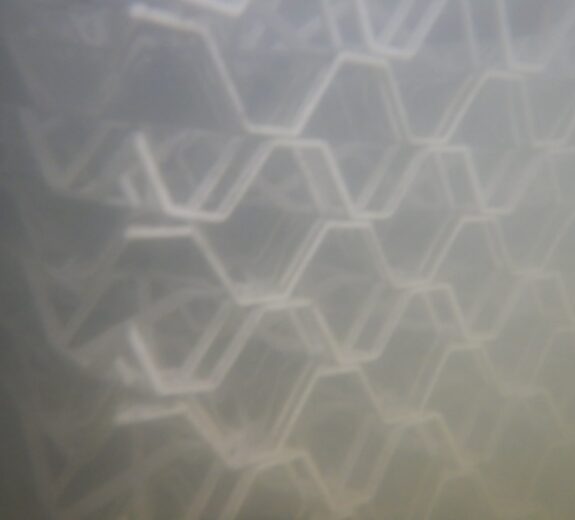
Originally designed as a lattice structure for mussel breeding and relocation, BESE-elements proved highly effective for mussel settlement. This led to requests for their use in city waters in the Netherlands. The mussels filter the water and prevent harmful algal blooms from taking place.


Results
- 15 biodegradable artificial reefs deployed
- No plastic
- Ongoing water filtration