


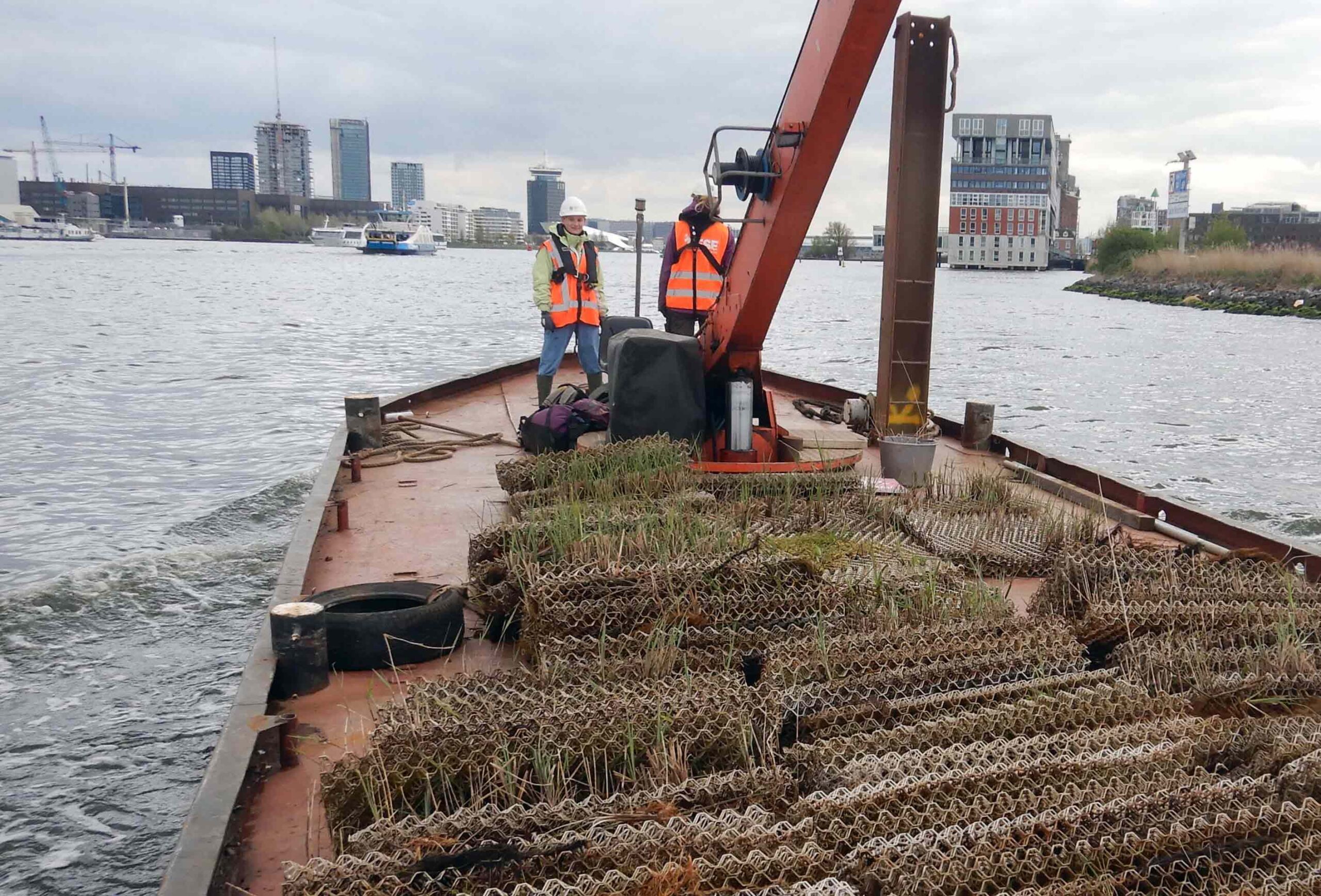
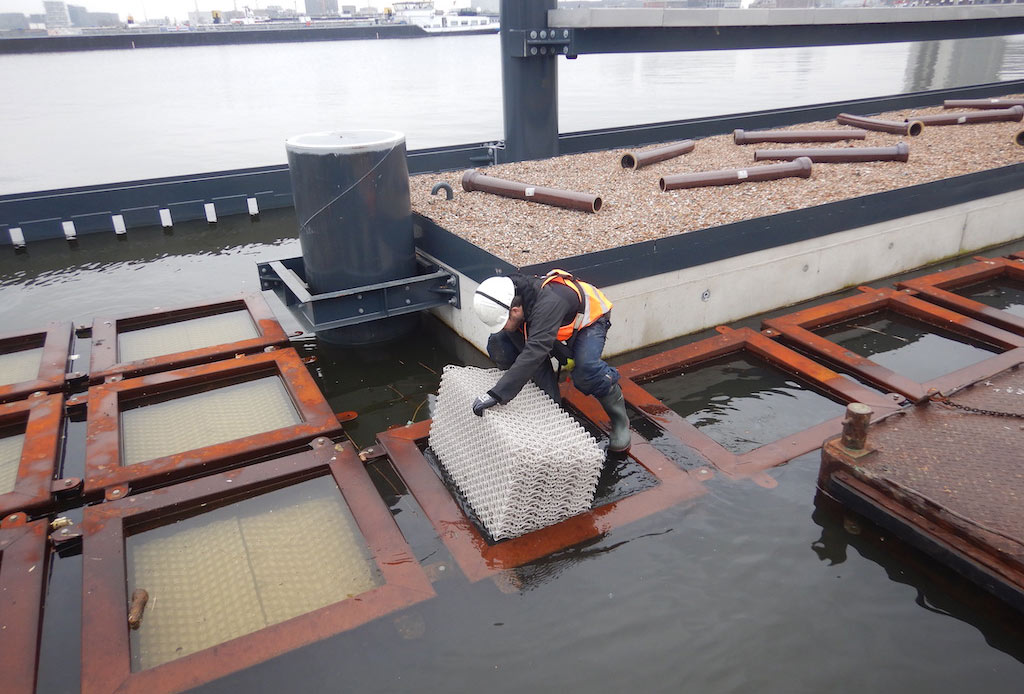
BESE-elements® is our flagship product for ecosystem restoration. It is also described as a biodegradable lattice structure for ecosystem restoration. Thanks to its ingenious interlocking 3D structure it can be used in the restoration of a wide variety of different habitats. BESE-elements is made of a starch biopolymer derived from potato waste. They function to help reduce local currents and waves, provide stability, and shelter and settling opportunities for organisms. Other applications include erosion control and in natural filter systems.


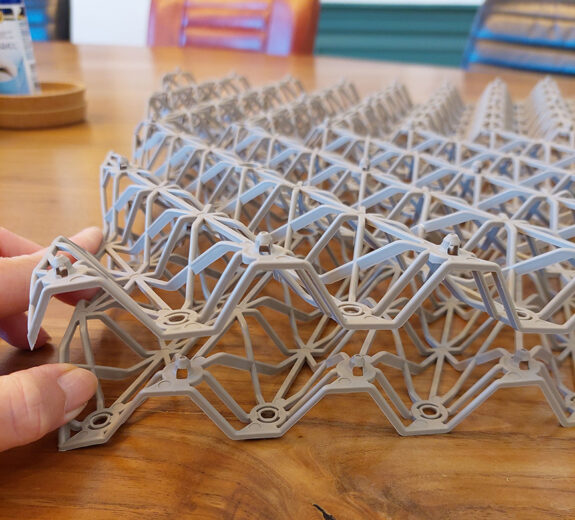
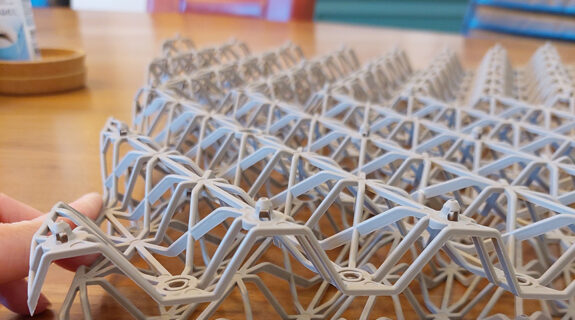
BESE-elements mimic natural structures
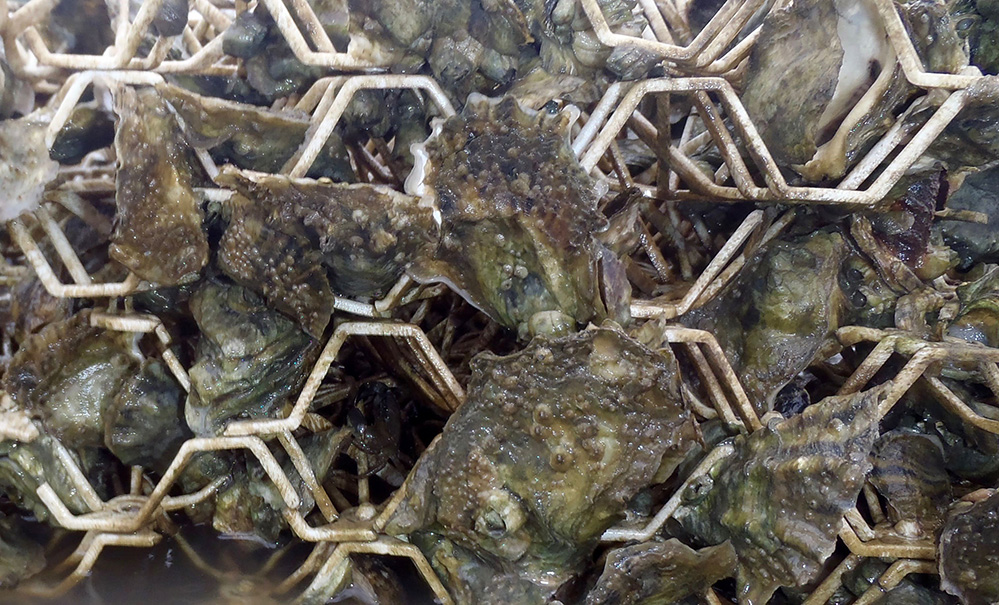
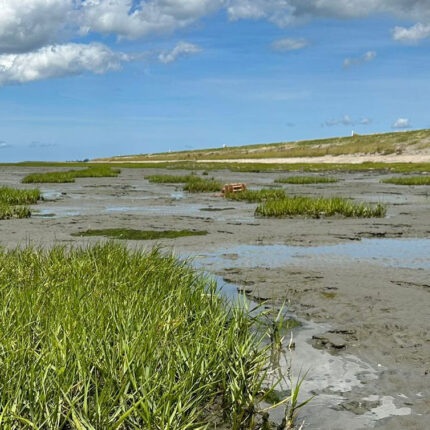
Imagine an oyster larva, or the seed of a salt marsh plant. These need protection in order to grow and thrive under the dynamic conditions of tidal flats. This protection is normally provided by mature individuals, be it a thriving oyster reef or established salt marsh vegetation. When these systems are lost or damaged due to human activities, ecosystem restoration can be challenging. BESE-elements® present a solution: a temporary structure where organisms can find shelter and establish themselves, initiating the first step of the restoration process. Following the establishment of the habitat, BESE-elements break down as the natural system takes over the role of becoming its own structure on which the habitat continues to develop.
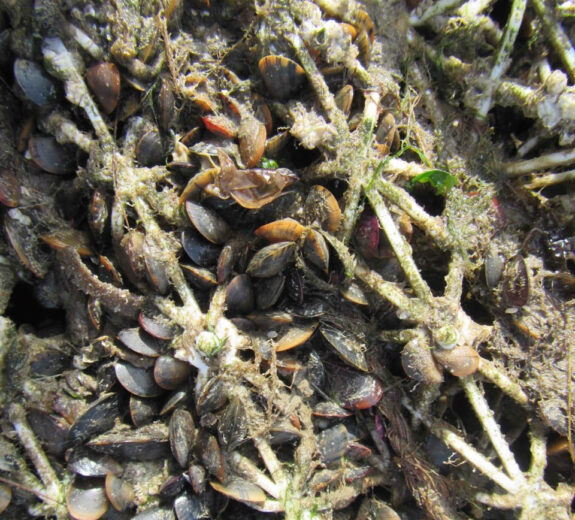
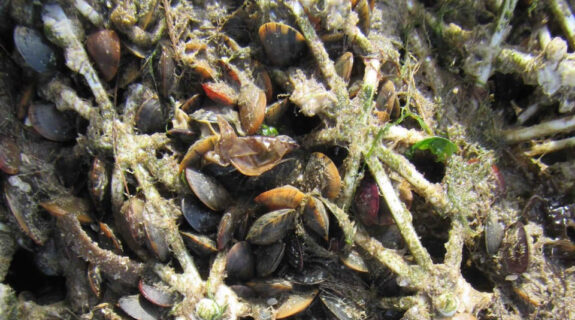
The origins of BESE-elements
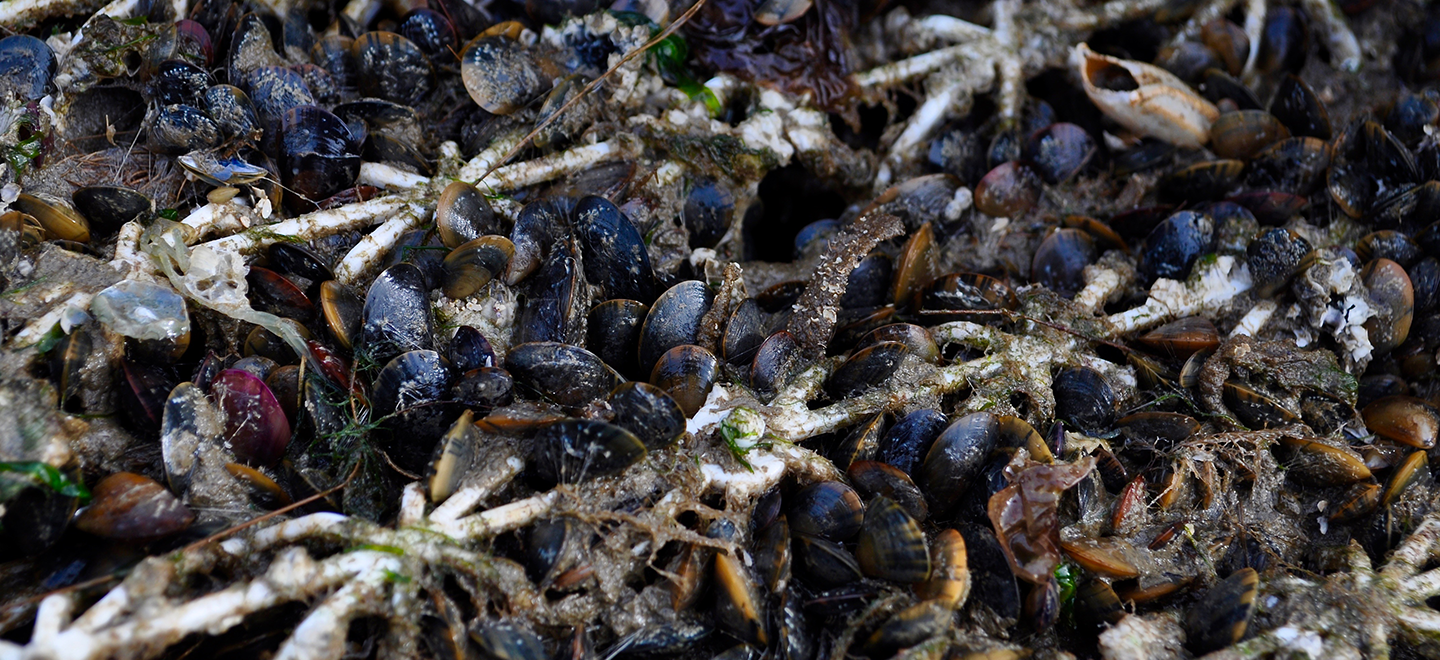
BESE-elements was developed from a design for a natural water filter system consisting of a plastic mat with mussels. Recognizing its effectiveness, we wanted to use this system to restore mussel beds in the Dutch Wadden Sea. However, we did not want to introduce plastics into this vulnerable natural system. BESE-elements were created from environmentally friendly and biodegradable materials following a four-year research and development process, in collaboration with Rodenburg Biopolymers. Potato starch, an abundant waste product from the French fries industry, emerged as the ideal material for BESE.

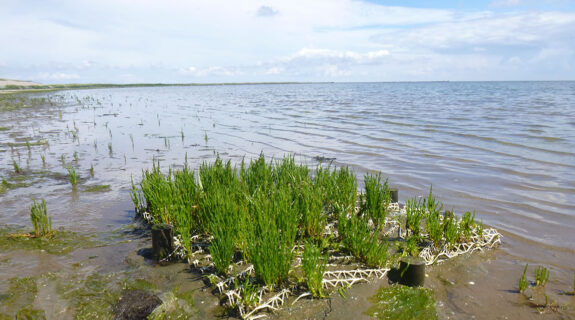
Proving the effectiveness of BESE-elements
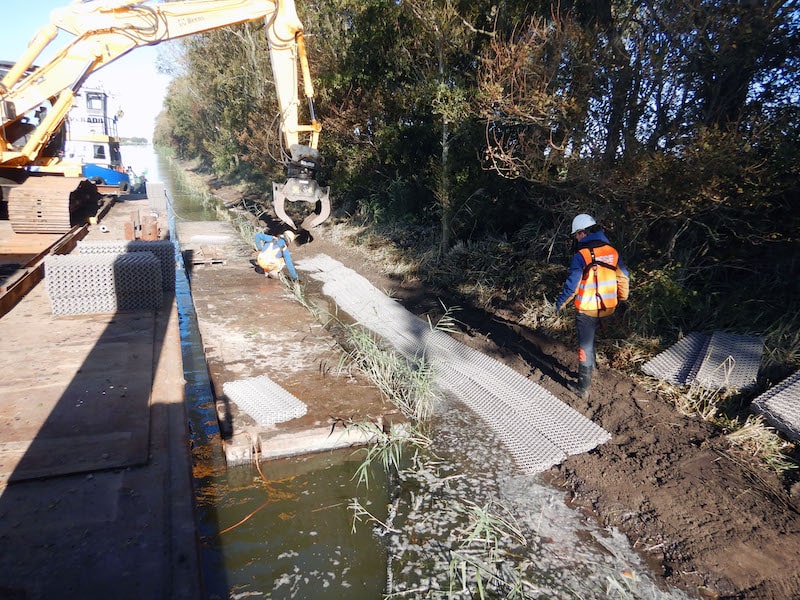
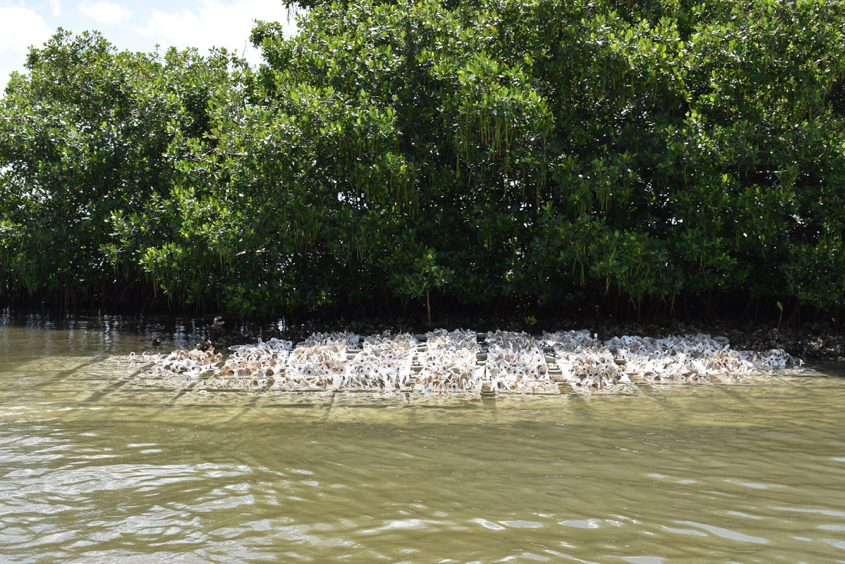
Following the success of BESE-elements for mussel beds, Waardenburg Ecology, together with NIOZ, Radboud Universiteit Nijmegen and the University of Florida, investigated whether this new biodegradable structure could also be effective for salt marsh and sea grass restoration. They were, and soon these findings were published in scientific journals and further trials and projects were started in other natural systems including mangroves and riverbanks. To date, BESE-elements have successfully been commissioned as a biodegradable ecosystem restoration element for more than 11 different ecosystems.
Ongoing research and development
The journey doesn’t end there. At BESE, we are continually striving to improve our products even further. Currently, we offer type-1 BESE-elements with a breakdown period of 10 to 20 years, and type-2 BESE-elements breaking down in 2 to 4 years. Excitingly, we have developed a new material and structure for the upcoming type-3 BESE-elements. Field testing has begun, so stay tuned for updates on this exciting development.










FAQ BESE-elements
BESE-elements type-1 breakdown over a period of 10 to 20 years, while BESE-elements type-2 break down within 2 to 4 years. The speed of breakdown is influenced by a range of factors, both biotic and abiotic, such as temperature, oxygen levels, and the types of micro-organisms present in the environment.