


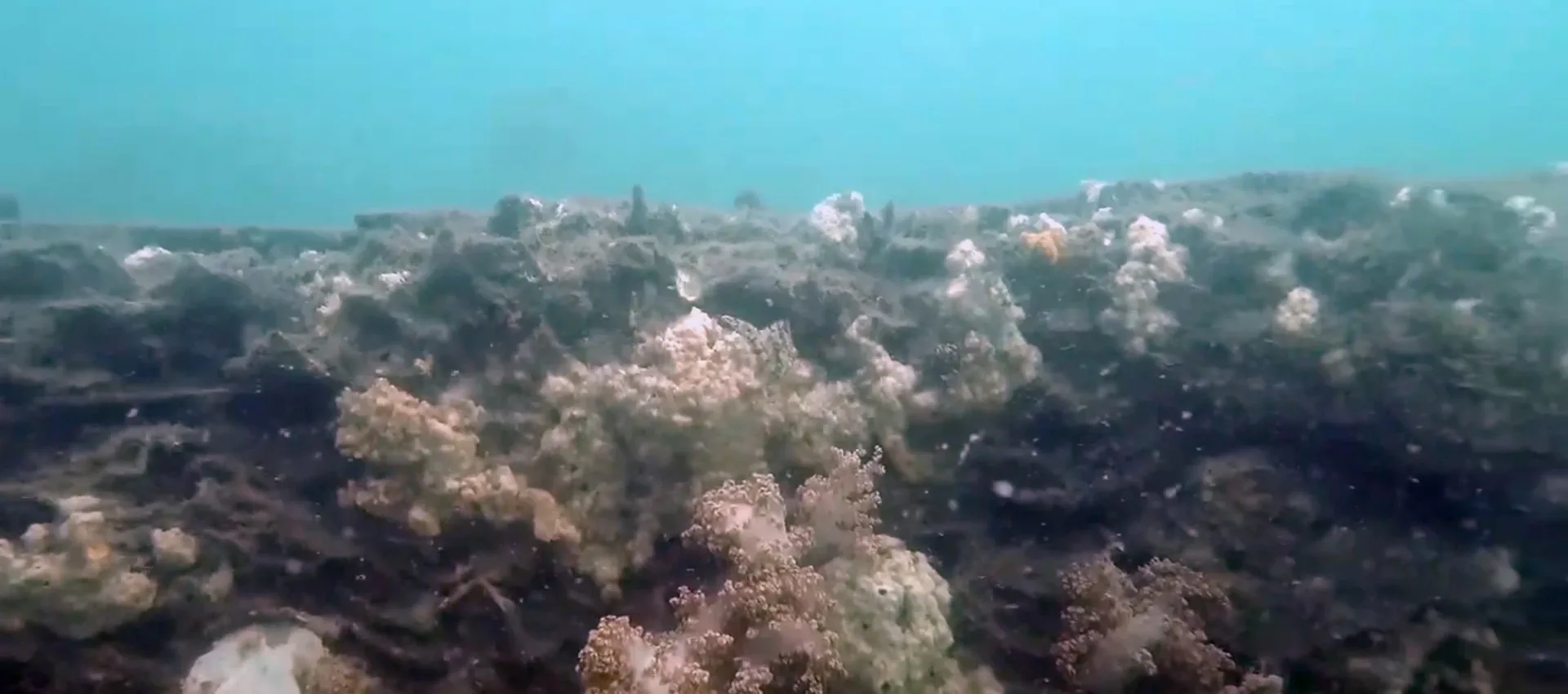

This project demonstrates how biodegradable artificial reefs were used to restore shellfish habitat and increase fish stocks in Pumicestone Passage, a tidal estuary within Moreton Bay, Queensland. After installation, fish assemblages became 3.8 times more specie rich, with a tenfold increase in total abundance compared to pre-restoration conditions. These results confirm that shellfish reef restoration can enhance fish diversity and the density of harvestable species in estuarine ecosystems.
Increasing fish stocks with biodegradable artificial reefs in Australia


To address declining fish populations caused by habitat loss, poor water quality and fishing pressure, twenty reef units of six types were installed, including shell patches, crates of shells and biodegradable reef structures. A 30-month monitoring program using baited and unbaited cameras provided robust evidence of ecological recovery and documented settlement by shellfish and corals on the restored features.

Results achieved
- biodiversity increase
- fish species increase
- harvestable fish increase
- total fish abundance increase
- coral and shellfish settlement
Project partners

Enhancing fish stocks with biodegradable reef structures
Pumicestone Passage restoration addressed cumulative pressures—declining water quality, habitat loss and fishing intensity—by adding structured shellfish habitat to a degraded estuarine seascape. The twenty reef units created new hard substrate and microhabitats. The implementation aimed to improve fish recruitment, refuge and foraging opportunities, and to re-establish benthic communities that historically supported coastal fisheries.

Attraction versus production in restoration
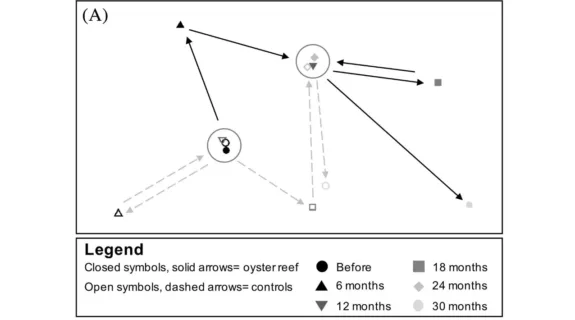
Biodiversity and abundance were quantified using both baited and unbaited cameras over 30 months. Restoration significantly increased species richness, total abundance and the density of harvestable fish at the site. Findings support that restored shellfish reefs enhance the carrying capacity of the coastal seascape, rather than only centralizing existing fish at the restoration features. See Gilby et al., Restoration Ecology: “Attraction versus production in restoration: spatial and habitat effects of shellfish reefs for fish in coastal seascape.”
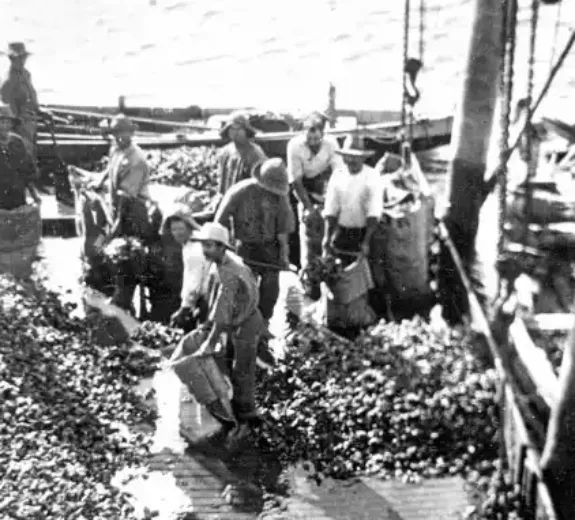
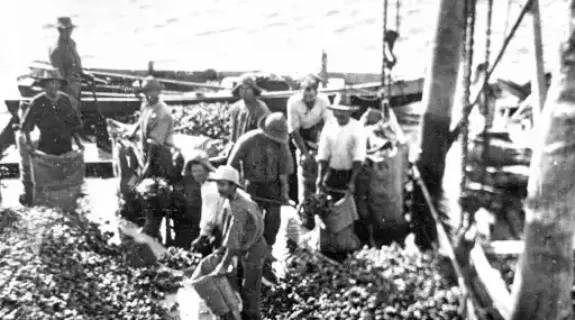
Traditional fisheries in the past
The Pumicestone Passage Shellfish Reef Restoration project seeks to re-establish shellfish reef populations for the benefit of Moreton Bay’s ecosystem and community. Historically, extensive intertidal and subtidal shellfish beds provided cultural and food resources for Traditional Owners and supported local industries. Intensive harvest and habitat alteration led to functional loss of oyster reefs in Pumicestone Passage, prompting a nature-based recovery effort. (Source: hlw.org.au)
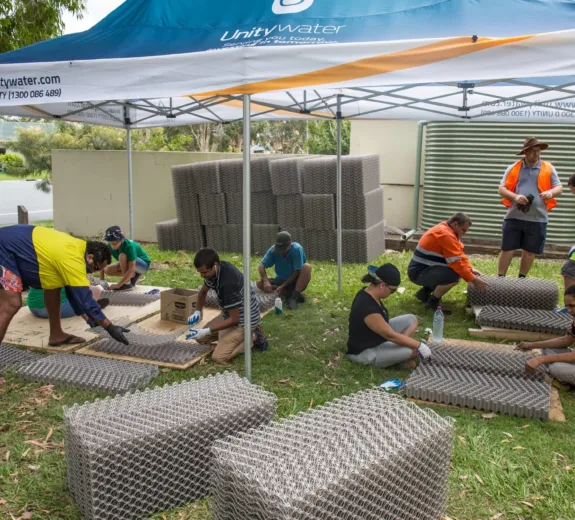
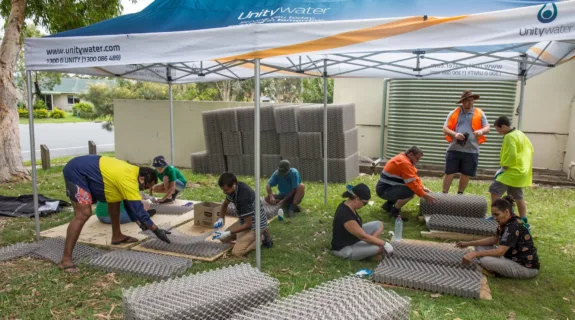
Community efforts and benefits
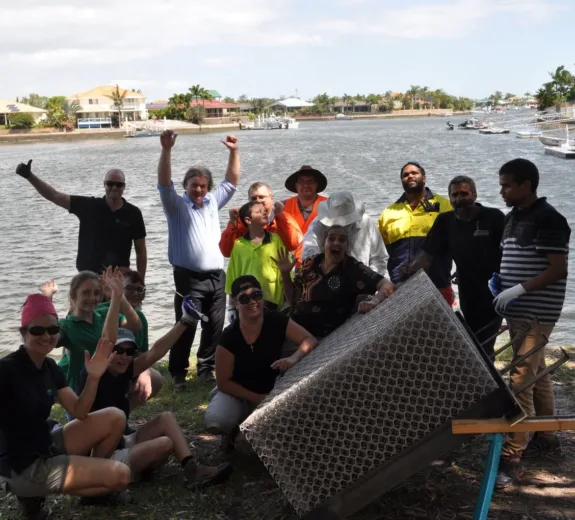
Traditional Owners, recreational fishers, Moreton Bay Council, the Bribie Island Scout group and scientists from the University of the Sunshine Coast contributed to planning, installation and monitoring. The project aims to restore ecosystem services, strengthen cultural connections to land and waterways, and support local nature-based recreation, including responsible fishing and tourism.
FAQ
Pumicestone Passage is a tidal estuary influenced by variable salinity, sediment loads and boat traffic. Historic habitat loss and water quality pressures reduced shellfish reefs and fish nursery areas. The project introduced structured shellfish habitat to re-establish hard substrate, improve refuge and foraging niches, and support fish assemblages within an active, subtidal channel.
Twenty reef units of six types—shell patches, shell crates and biodegradable structures—were deployed subtidally to avoid navigation hazards and interact with prevailing currents. Installation prioritized stability, appropriate spacing and local bathymetry, enabling water flow across surfaces while minimizing scour and ensuring the units remained accessible for long-term monitoring.
Performance was assessed with baited and unbaited video systems over 30 months. Metrics included species richness, total abundance and density of harvestable fish. Monitoring also recorded settlement by shellfish and soft corals. The sustained time series captured seasonal dynamics and provided evidence that habitat creation improved fish communities relative to pre-restoration baselines.
Results support increased ecological production rather than simple attraction. Enhanced habitat complexity and hard substrate expanded foraging and refuge opportunities, leading to higher species richness and abundance. The study indicates restored shellfish reefs can raise the seascape’s carrying capacity for fish, not just concentrate individuals at the structures.
Yes, with site-specific design. Replication depends on substrate, hydrodynamics, salinity range, sedimentation and water quality. Effective governance, local partnerships and a monitoring plan are essential. The Pumicestone Passage project provides a template for deploying mixed reef unit types and evaluating outcomes before scaling across similar estuarine systems.
Ecosystem development following installation
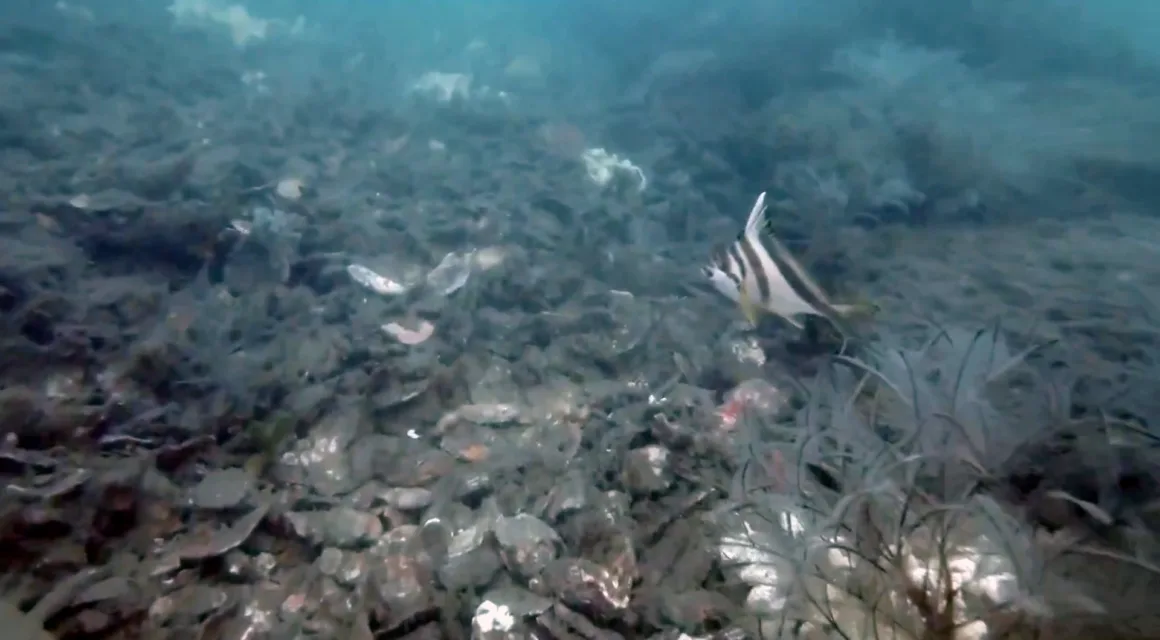
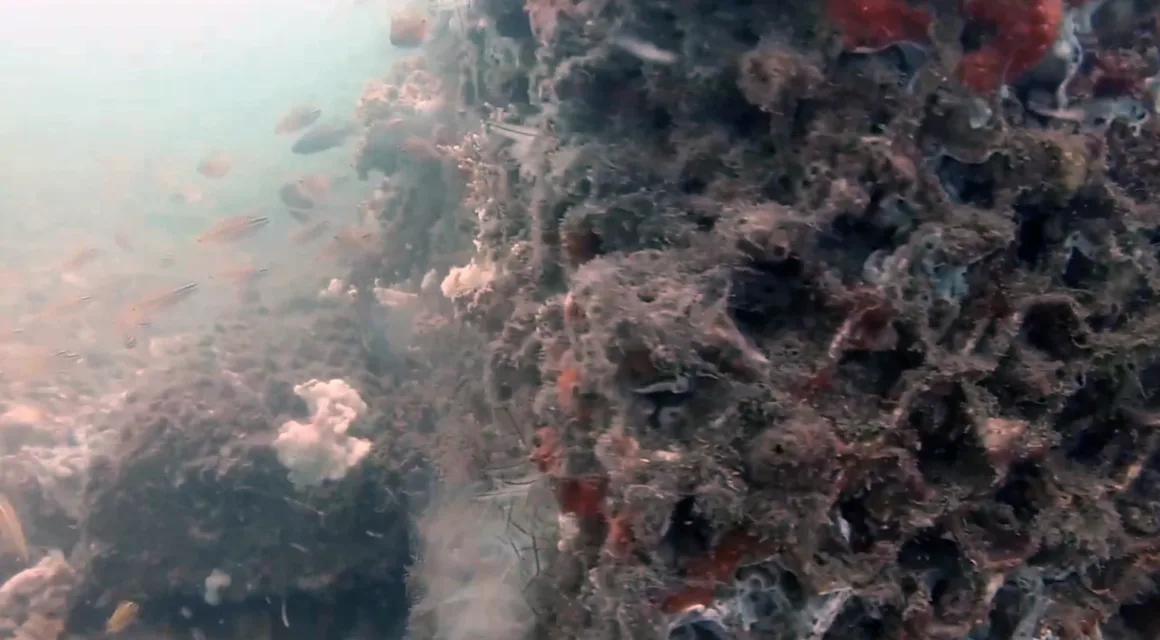
Results
• 1.5 ha shellfish reef restoration
• Increased fish production
• 3.8× more fish species
• 10× more fish abundance
• Settlement of shellfish, soft and hard corals
• Scientific paper Gilby et al., Restoration Ecology: https://doi.org/10.1111/rec.13413