Nature Restoration Regulation implementation
What does the NRR require from you?
The Nature Restoration Regulation creates a clear expectation: Europe needs to move from restoration ambitions to measurable actions.
The EU Nature Restoration Regulation (NRR) requires Member States to restore degraded ecosystems on land, in freshwater, coastal waters and at sea. As National Restoration Plans are developed across Europe, you and your organisation may be expected to help translate these targets into practical measures that deliver measurable ecological restoration outcomes.
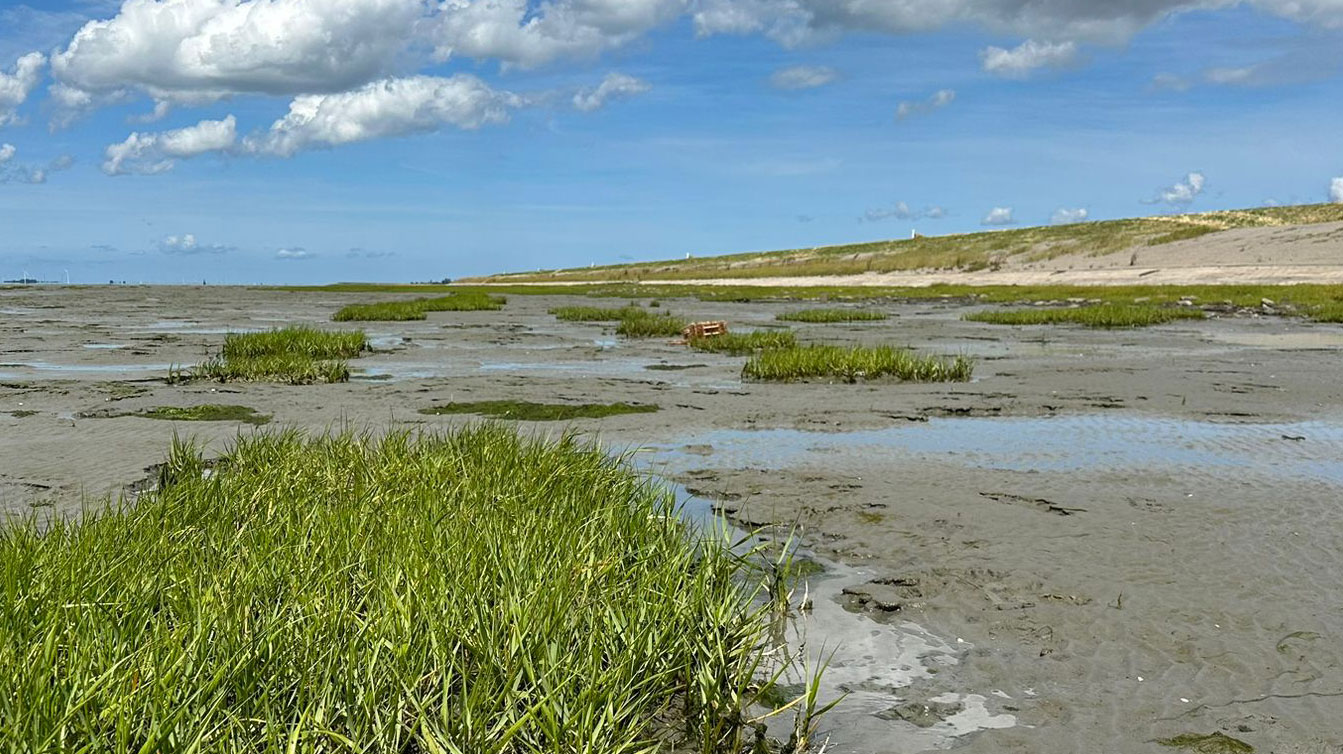
How BESE can help you implement Nature Restoration Regulation
Evidence-based restoration of ecosystems
At BESE, we help bridge the gap between restoration ambitions and implementation by providing nature-based, biodegradable solutions that accelerate habitat recovery and enable restoration at scale.
Achieving Nature Restoration Regulation objectives requires more than plans and monitoring. It requires effective restoration measures that can be deployed in real-world environments.
BESE develops and applies biodegradable ecosystem restoration solutions that help establish and recover critical habitats while reducing the need for permanent artificial infrastructure.
Our solutions support the restoration of:
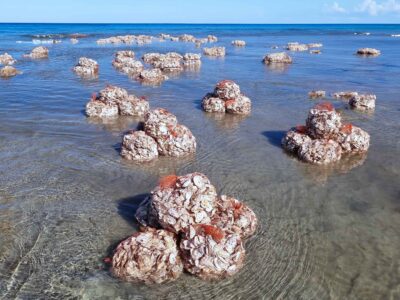
- Shellfish reefs and biogenic habitats
- Coastal and marine ecosystems
- Urban ecosystems
We have experience with
- Freshwater habitats
- Nature-inclusive infrastructure
- Biodiversity enhancement projects
- Seagrass restoration
- Kelp forest initiation

What we do at BESE to support Nature Restoration
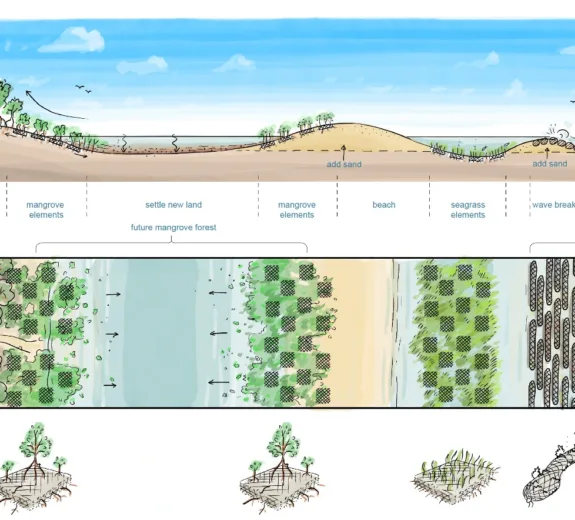
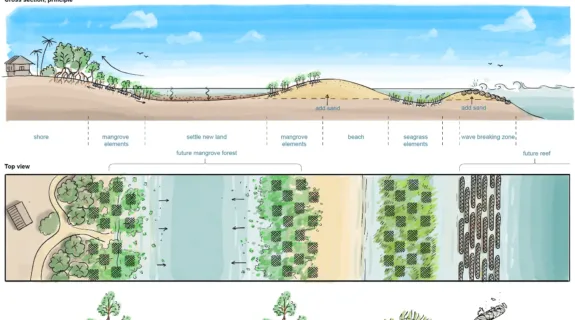
1. Designing restoration solutions
Every ecosystem faces unique challenges. We work with clients and ecological experts to develop restoration approaches that fit local environmental conditions and restoration objectives.
Our support includes:
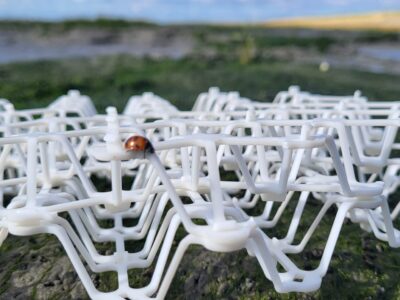
- Biodegradable restoration materials
- Restoration concept development
- Site-specific restoration design
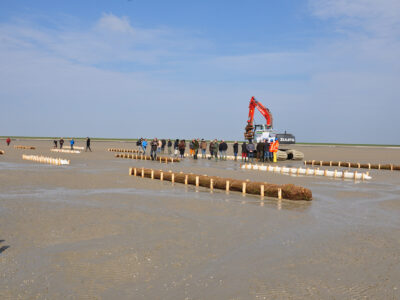
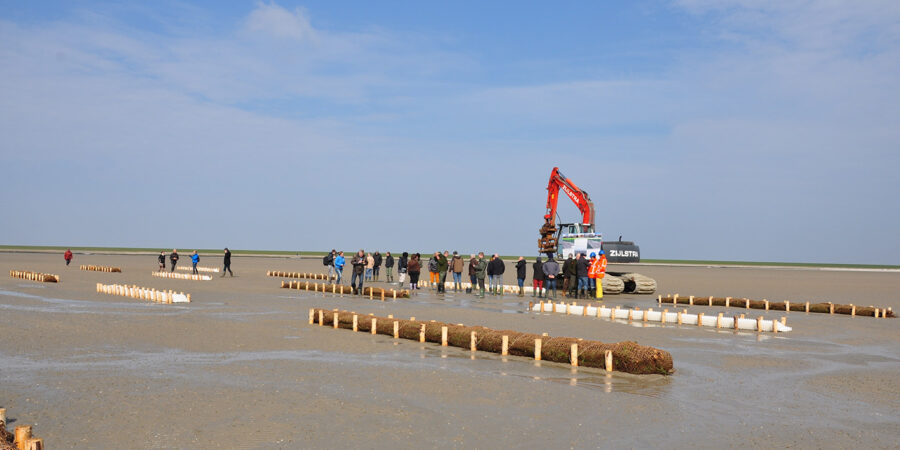
- Pilot projects and demonstration sites
- Nature-inclusive engineering approaches
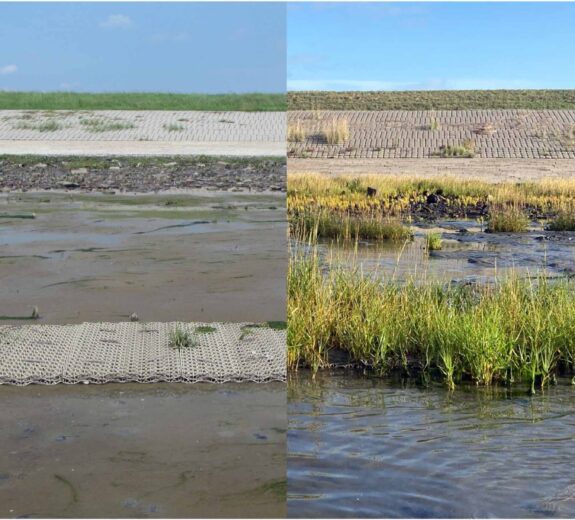
2. Enabling ecosystem recovery without leaving a trace
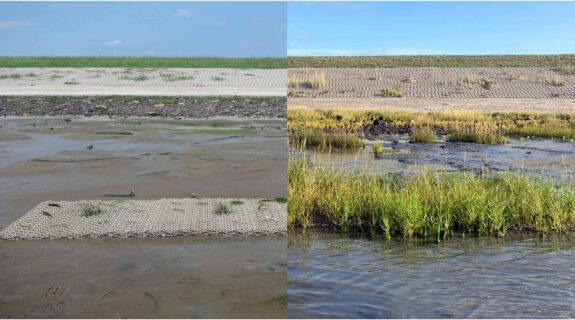
BESE’s biodegradable structures create temporary conditions that help nature recover on its own.
Our technologies are designed to:
- Stabilise habitats during early recovery stages
- Facilitate settlement of target species
- Increase habitat complexity
- Reduce reliance on permanent hard structures
- Support self-sustaining ecosystem development
The ultimate goal is not to create artificial ecosystems, but to help natural ecosystems recover themselves.
3. Scaling Restoration
One of the greatest challenges of the Nature Restoration Regulation is scale.
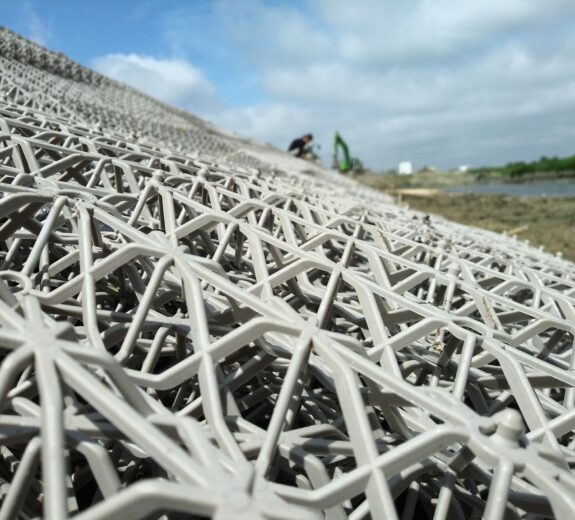
Member States must move from small demonstration projects towards large-scale restoration programmes. BESE develops practical restoration solutions that can be applied efficiently across multiple sites and regions.
At BESE we can already move beyond demonstration, with more than 30 scientific publications we proved that we can restore ecosystems and have the knowledge to scale up ecosystem restoration.
Why Organisations Choose BESE for Ecosystem Restoration
Nature-Based, Biodegradable and Evidence-Based restoration
Successful restoration requires innovation and scientific validation. BESE works closely with universities, research institutes, ecological consultancies, governments and NGOs to test, monitor and continuously improve restoration approaches. You can find our extensive list of science here.
Our philosophy is simple:
Build with nature, not against it.
This means:
- Using biodegradable materials whenever possible
- Supporting natural ecological processes
- Monitoring outcomes and learning from results
- Sharing knowledge to improve restoration effectiveness
BESE helps various organisations translate restoration ambitions into practical action.
We combine:
- Ecological restoration expertise
- Biodegradable innovation
- Scalable restoration methods
- Field implementation
- Collaborative partnerships with science and industry
- Measurable ecological outcomes
Let’s Restore Nature Together
Interested in exploring how biodegradable restoration solutions can support your restoration goals? Contact our team to discuss your project.
The Nature Restoration Regulation is a European Union regulation that requires Member States to restore degraded ecosystems across terrestrial, freshwater, coastal and marine environments. The regulation sets legally binding restoration targets and requires countries to develop National Restoration Plans describing how these targets will be achieved.
Organisations can contribute by developing, designing and implementing restoration measures that support ecosystem recovery. This may include habitat restoration projects, nature-inclusive infrastructure, biodiversity enhancement measures, ecological monitoring and large-scale restoration initiatives that help achieve national restoration targets.
Effective restoration measures depend on the ecosystem and restoration goals. Examples include oyster reef restoration, seagrass restoration, freshwater habitat improvement, nature-inclusive riverbank design, wetland restoration and biodiversity enhancement projects. Successful measures should support long-term ecosystem recovery and be based on ecological evidence.
Biodegradable restoration materials can provide temporary support for habitat recovery while avoiding the long-term presence of artificial structures in the environment. They help create conditions for natural ecosystem development and gradually disappear as ecological processes become self-sustaining.
BESE helps organisations translate restoration ambitions into practical restoration projects. We develop biodegradable, nature-based restoration solutions for coastal, marine, freshwater and urban ecosystems. Our approach combines scientific research, field experience and scalable restoration methods to support measurable ecological outcomes.