Alternative for plastic mesh for oyster reef restoration
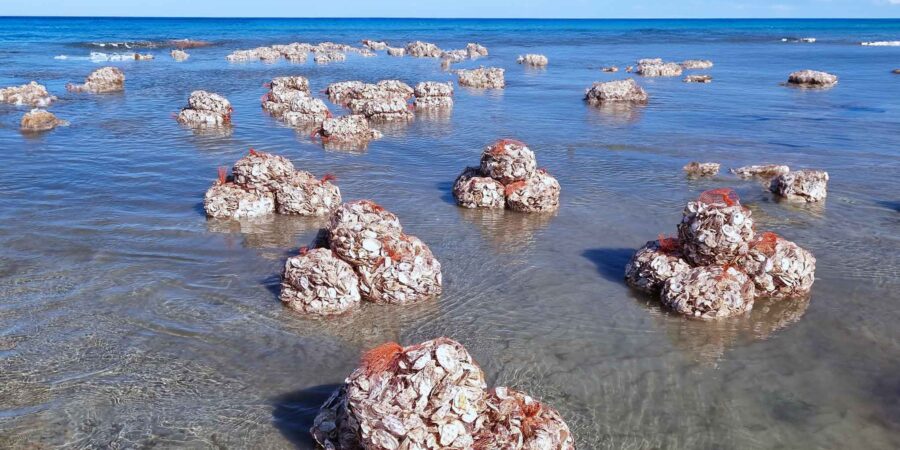
Oyster shell bags
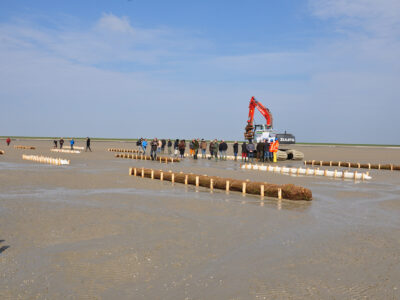
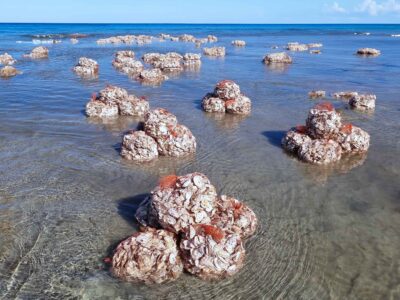
Restoring oyster reefs with oyster shell bags is a well-known method. The only thing you need is dead, clean (oyster) shells and a mesh bag to keep them in place. You fill the mesh bag up with shell material, tie a knot in it on both ends and there you go, the perfect substrate for young oyster larvae to settle on. Why you need the mesh, is because when you would place loose shell on the seafloor it often gets buried or moves around because of waves and currents. Making the shells unavailable and unsuitable for oyster larvae. The mesh fixates the shell material, mimicking a natural reef structure with a lot of nooks and crannies between the shell material. Creating a suitable settlement substrate. The only downside to this method is that often plastic mesh is used on large scale. Creating oyster reefs on a plastic base that will remain and pollute the environment. Our solution is our biodegradable alternative, BESE-mesh biopolymer.
Types of Biodegradable Mesh
BESE-mesh is a biopolymer net which biodegrades. We have two versions, one biodegrades after 1 – 5 years and on biodegrades after 5 – 20 years. They are perfect for replacing plastic mesh.
We also offer a cellulose mesh, which biodegrades within a month. This mesh is perfect for aquatic and terrestrial plant transplantation.

Applications of Biodegradable Mesh
Lots of people already shifted from using plastic bags to our biodegradable version. Some examples are The Wild Oyster Project in San Francisco Bay. They use our BESE-mesh and fill it with oyster shells from restaurants. By using BESE-mesh and oysters in an artificial reef they create a living shoreline element. Which grows and filters the water, while protecting the shore. A beautiful alternative to a static seawall. This project is part of the Heron’s Head project, which aims to restore 100,000 acres of tidal wetland in San Francisco. Read more about it here.
Another example is an oyster reef restoration project in the North Sea (offshore). 5 Milion oyster larvae on oyster shells have been deployed by Ark and Ørsted to kickstart oyster reef recovery in the North Sea. To keep the oyster shells together and protect against predation our BESE-mesh is used. Read more about it here.