


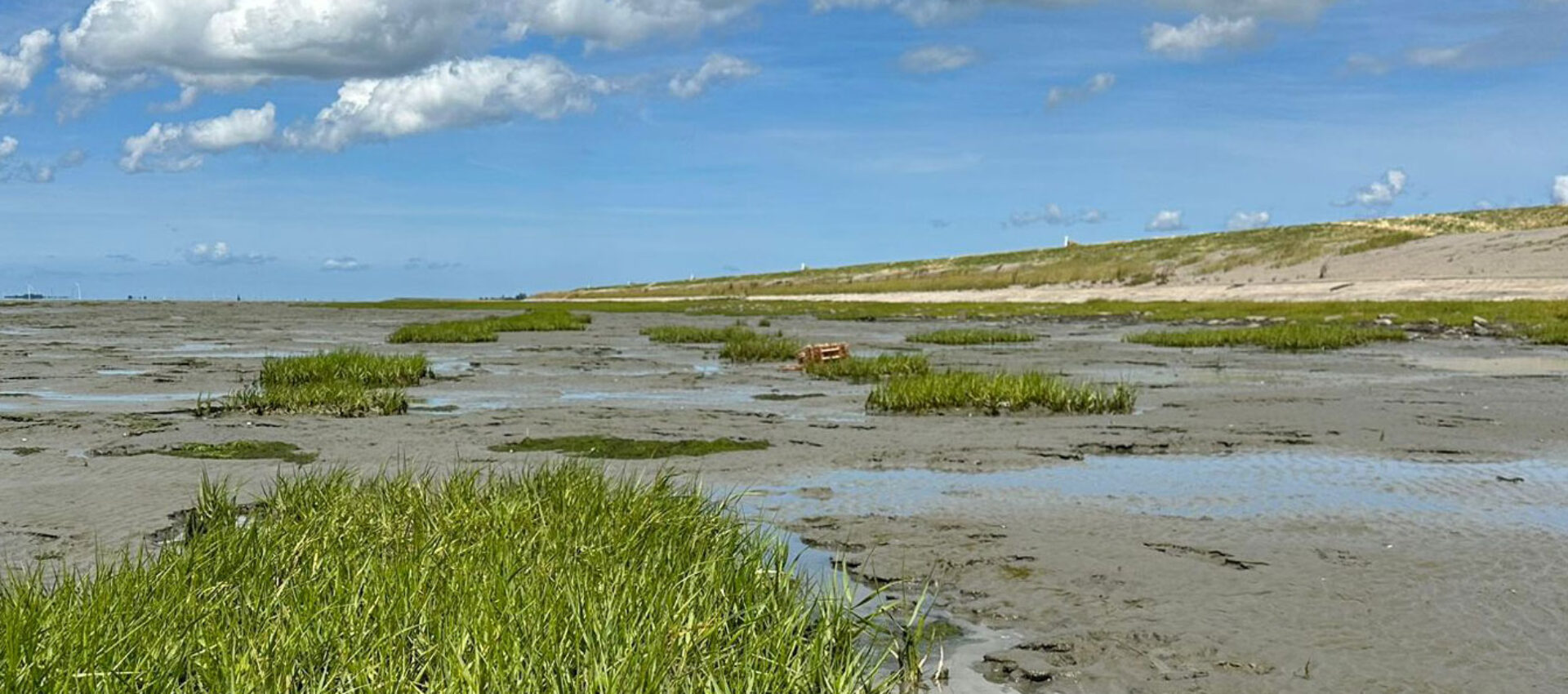

Large scale pilot on how to best upscale salt marsh restoration projects with BESE-elements. Looking for an optimal set-up with a minimal amount of material and maximal restoration output (m2).
About this project

Pilot to test different set-ups of BESE-elements to kickstart salt marsh restoration on a large scale; minimal amount of material, maximum amount of outgrowth and restored salt marsh.

Results achieved
- 2 hectares restored
- Several different set-ups allow for optimal outgrowth
Project partners

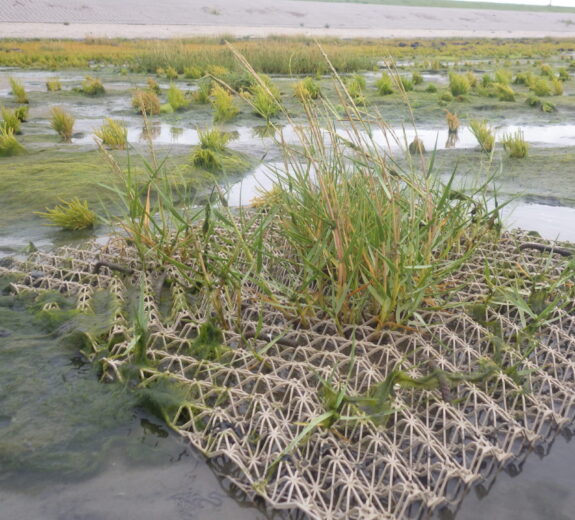
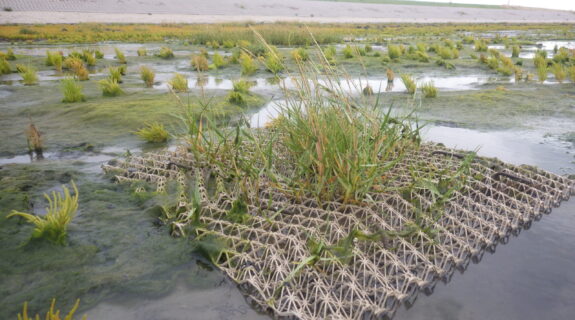
Upscale salt marsh restoration with BESE-elements
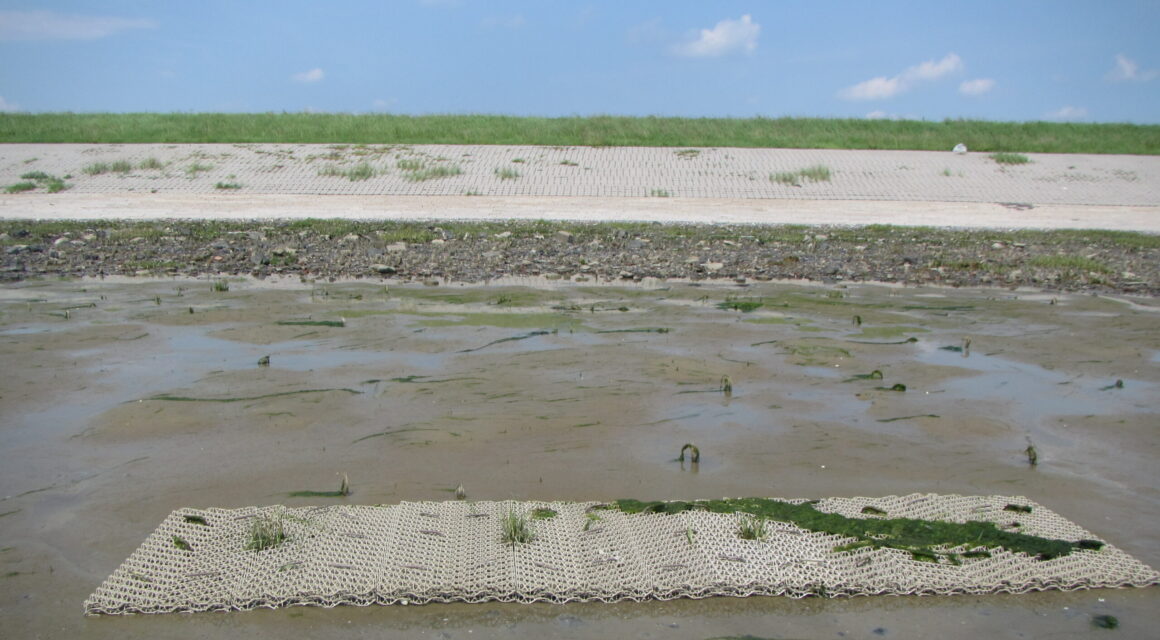
BESE-elements are proven effective in restoring salt marshes. Pilots have shown that BESE-elements stabilize the sediment, entrap seeds and allow marsh vegetation to grow in a dynamic coastal zone. The next step is to study how placement of BESE-elements in the intertidal zone can optimize restoration success on large scale. Where we want to use a minimal amount of material / hectare.
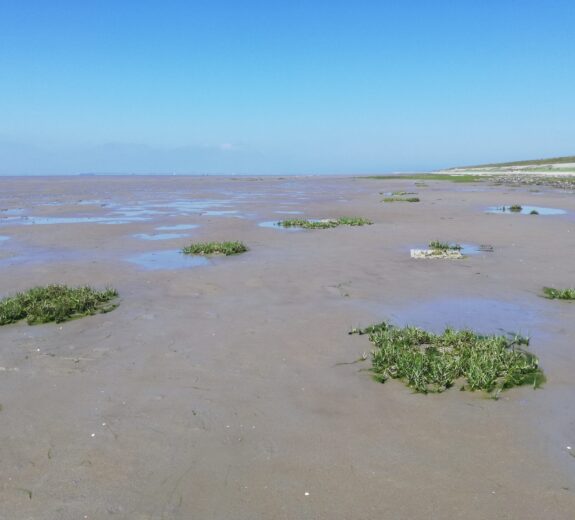
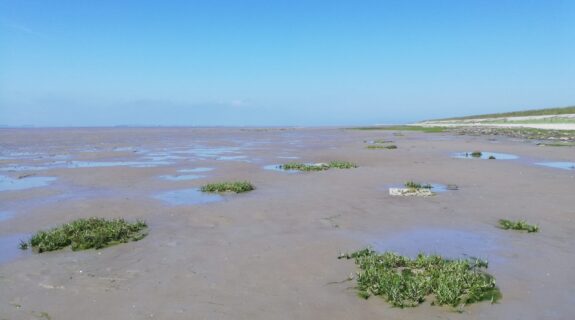
Restoration set -up
In this upscaling pilot different set-up of BESE-elements are trialed to see which creates the maximal amount of outgrowth of marsh vegetation. Shapes like a checkerboard, elongated stripes and squares made out of BESE-elements were placed on the tidal flat to see which set-up / shape performs best.
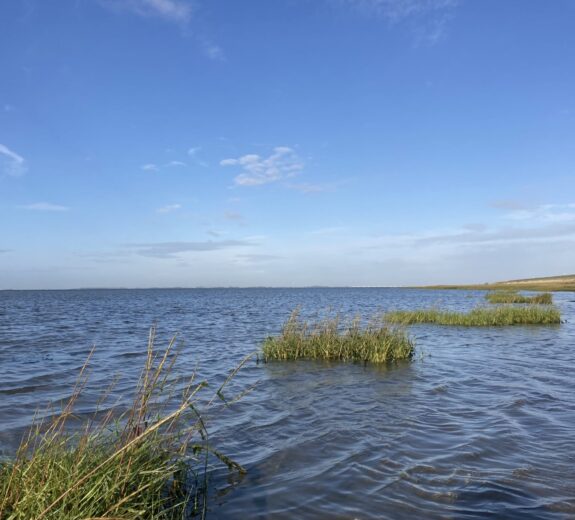
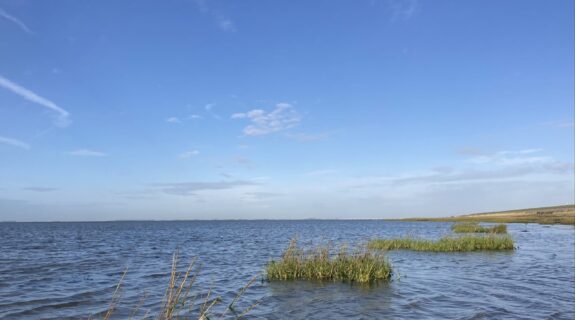
Best upscaling salt marsh restoration method
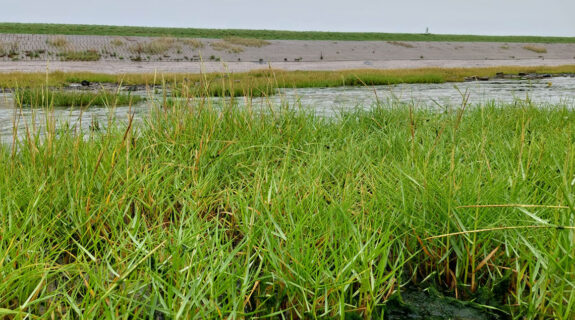
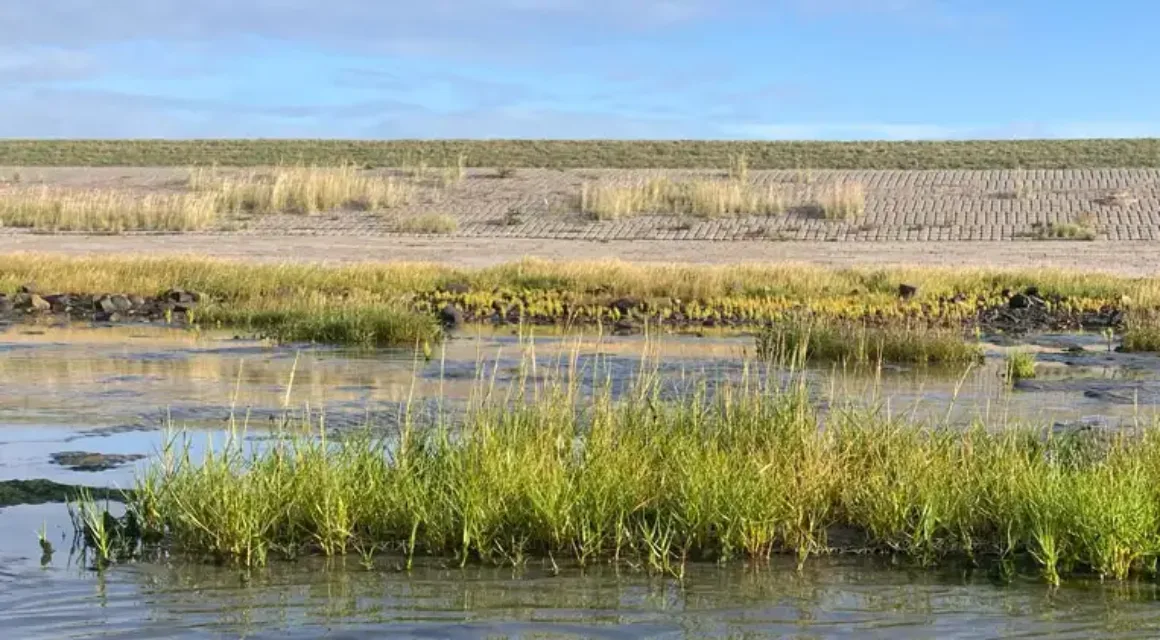
Currently no significant differences were visible between the shapes and the amount of outgrowth. They all facilitated outgrowth and could be used in upscaling salt marsh restoration. We are still monitoring the site to see if over the years differences between shapes may arise.
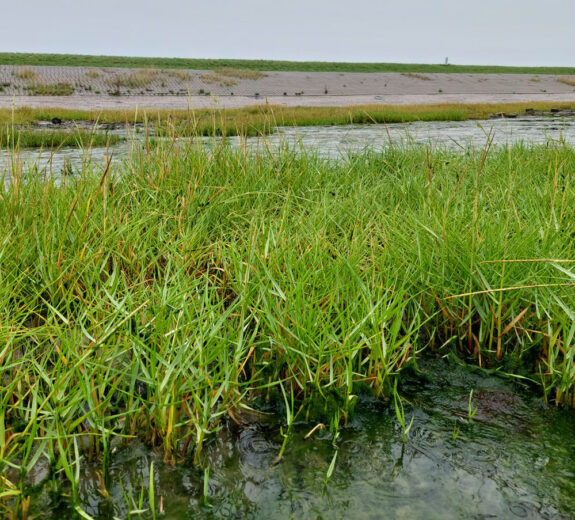
Upscaling restoration efforts cost effectively
In restoration funds are often limited and the restoration area large. To make optimal use of the funds available it is important to know what causes the site to be degraded, in need of restoration. As this determines which kind of restoration method is needed. We can help you with this if needed.
Subsequently to upscale you want to use the most cost-effective method. Therefore, we always advice to first trial BESE-elements on small scale to see if your site benefits from the structures. If successful we can design an upscaling set-up to restore the entire marsh area.
FAQ
The intertidal zone provides regular flooding, sediment supply, and microtopography that supports the establishment of halophytes. This pilot leverages natural dynamics and tests configurations that trap sediment and protect young plants, ensuring sustainable growth despite tidal currents and wave action.
We compare patterns such as checkerboards, elongated strips, and squares based on vegetation growth, stability, and material efficiency. Monitoring includes vegetation cover, species composition, sedimentation, and elevation changes to identify which setup delivers the highest ecological return with minimal material use.
Monitoring focuses on vegetation cover, species diversity, sediment accumulation, microtopography, and erosion. Fixed sampling points and photo series track seasonal and multi-year trends. Long-term monitoring is essential to detect differences between layouts and assess impacts of hydrodynamics and extreme events.
Installation is typically done at low tide, often manually or with light equipment from small vessels. Layouts are precisely positioned with defined spacing and anchoring where needed. Planning considers local currents, substrate, permits, and environmental regulations such as breeding seasons and Natura 2000 guidelines.
The pilot uses no polluting materials and supports natural processes like sediment stabilization and habitat formation. Site-specific diagnosis and small-scale trials minimize unnecessary interventions. Scaling up focuses on ecological effectiveness, long-term stability, and avoiding residual pollution in the coastal system.
Ecosystem development following installation
Results
- 2 hectares restored
- Several set-ups allow optimal outgrowth
- No polluting materials used