


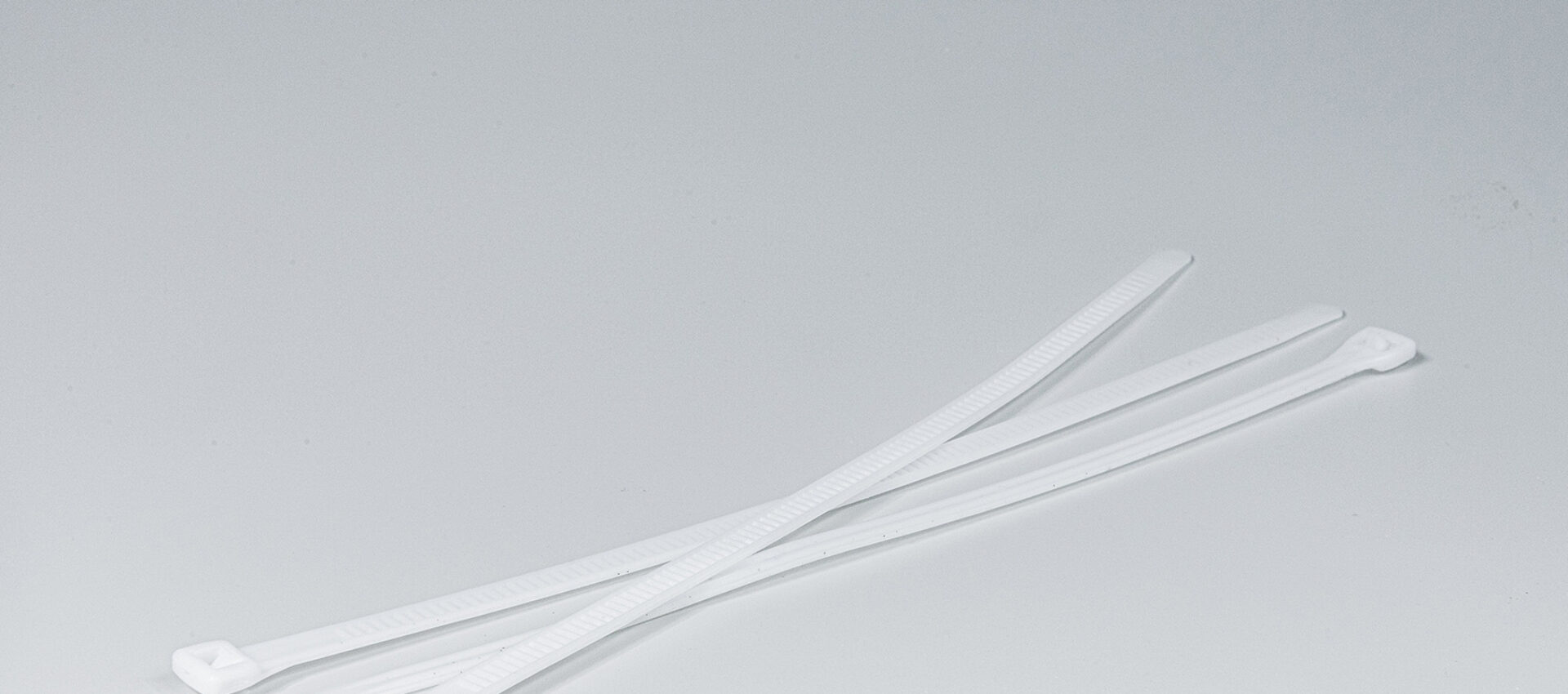

Zip ties offer a fast and convenient solution for securing materials together, such as in restoration projects. Yet traditional zip ties remain in the ecosystem, counteracting conservation aims. BESE-zip ties provide the solution: fully biodegradable zip ties that break down once the materials have become established.


Biodegradable alternative for plastic zip ties
Ecosystem restoration efforts all over the world use plastic zip ties. This plastic, remains as a pollutant in the environment after restoration efforts are complete. BESE-zip ties are biodegradable, meaning that they break down and disappear, leaving only the natural ecosystem behind.
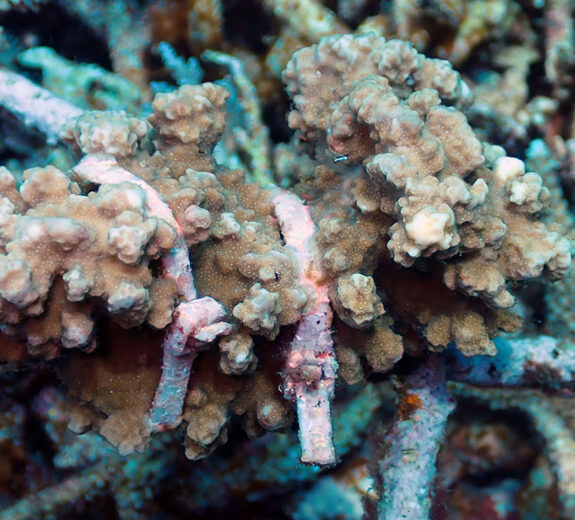
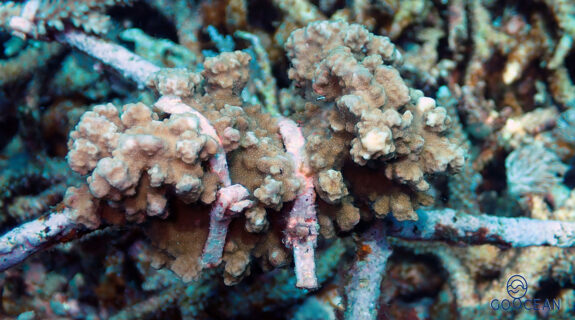
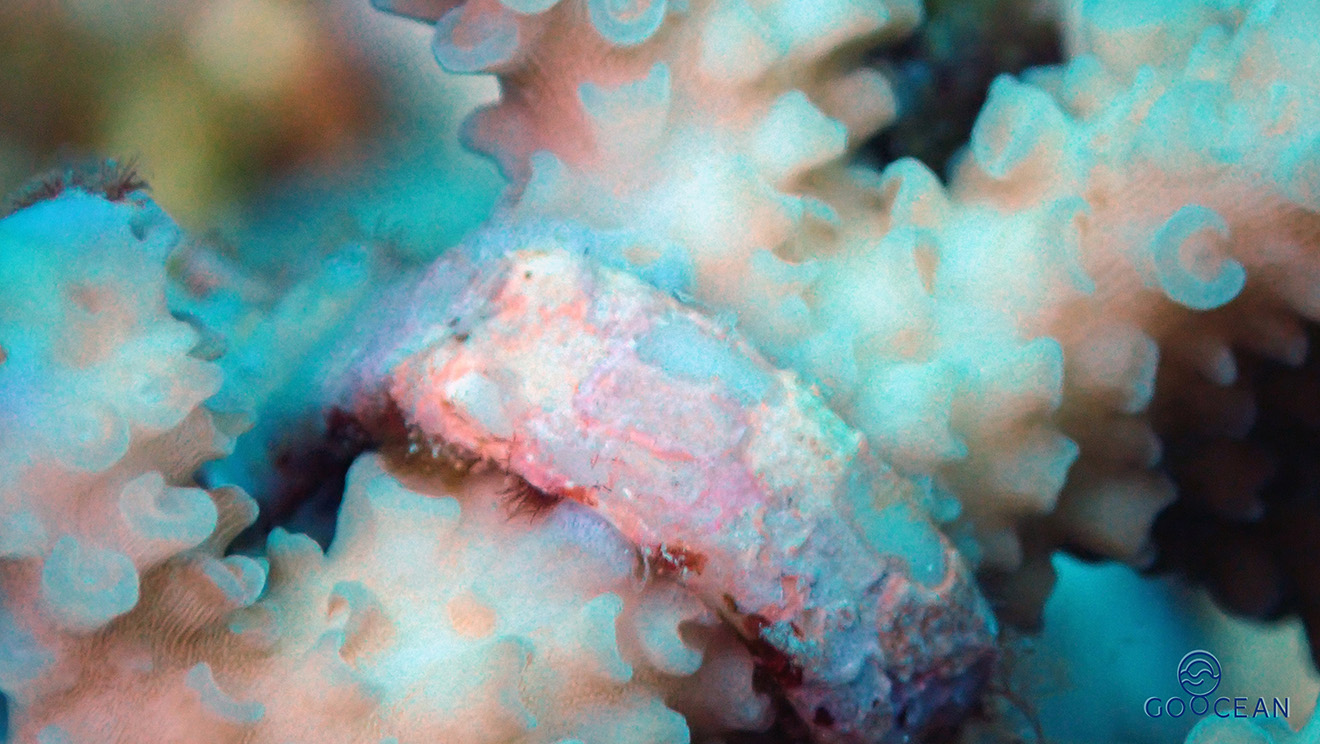
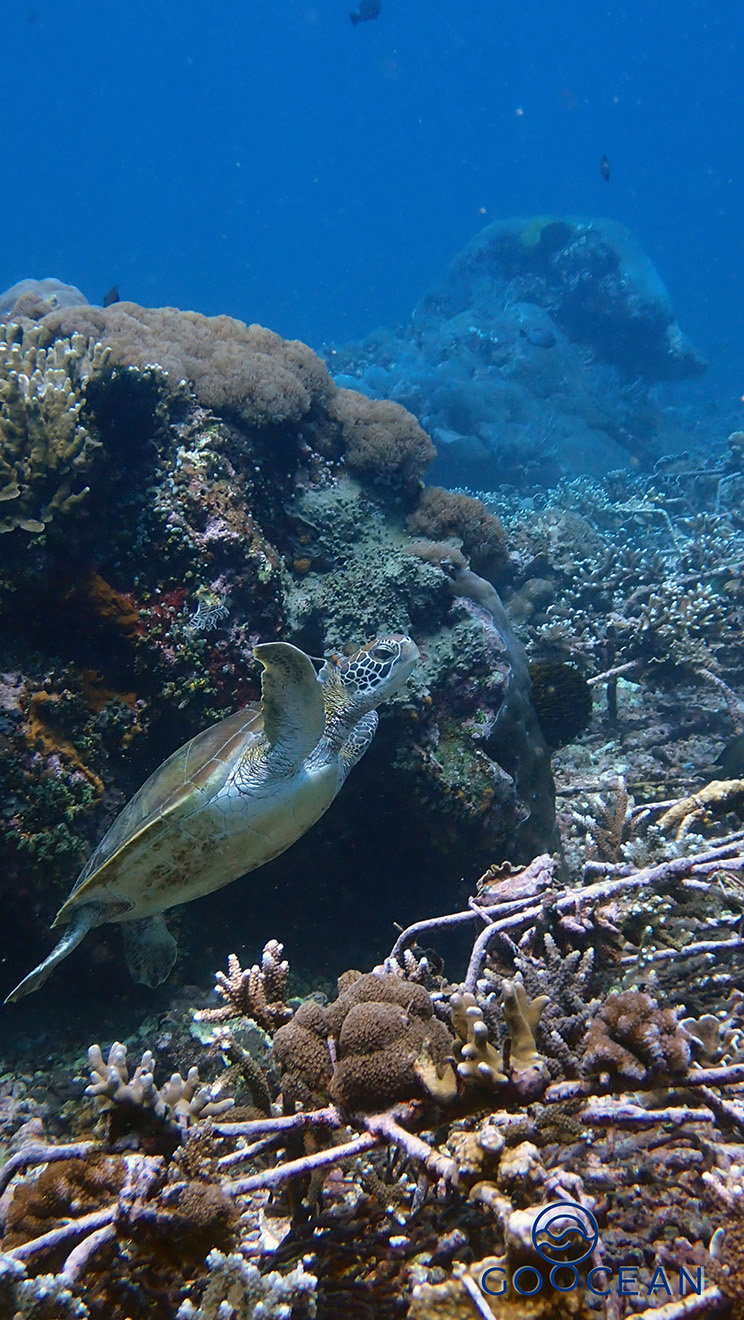
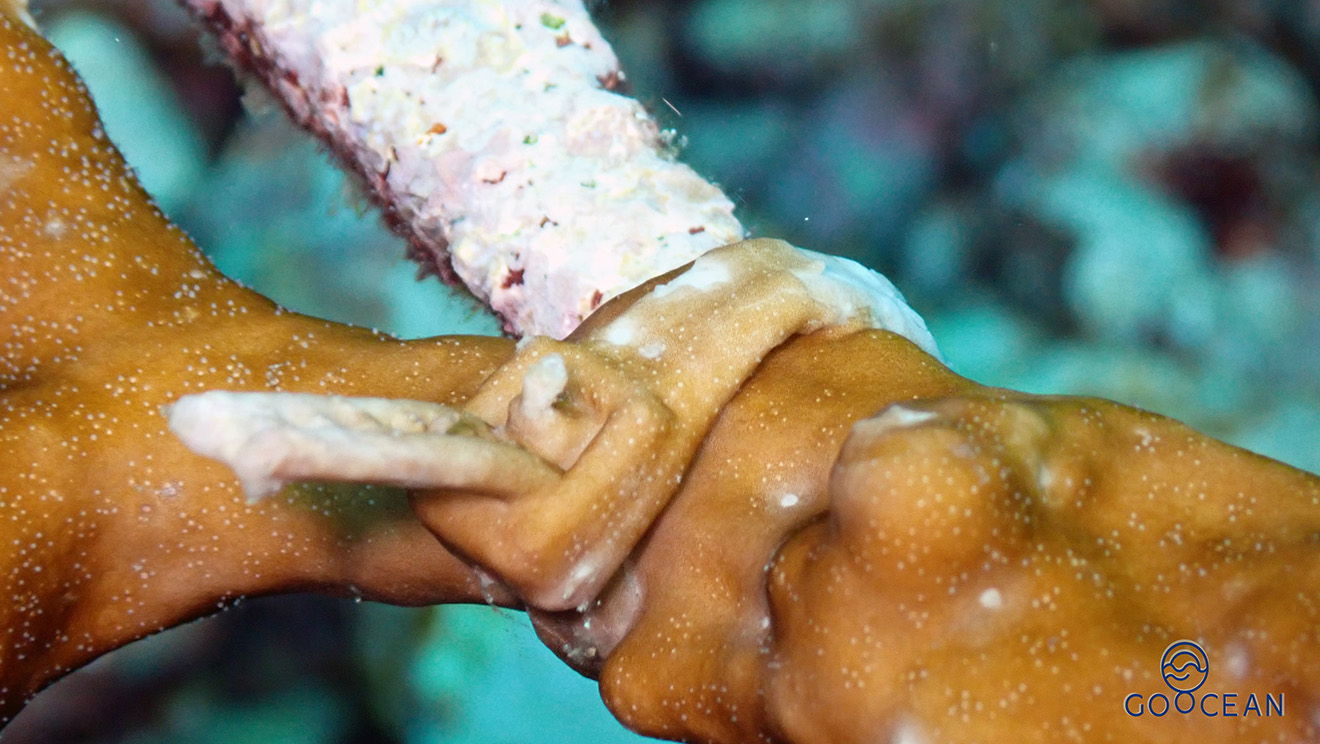
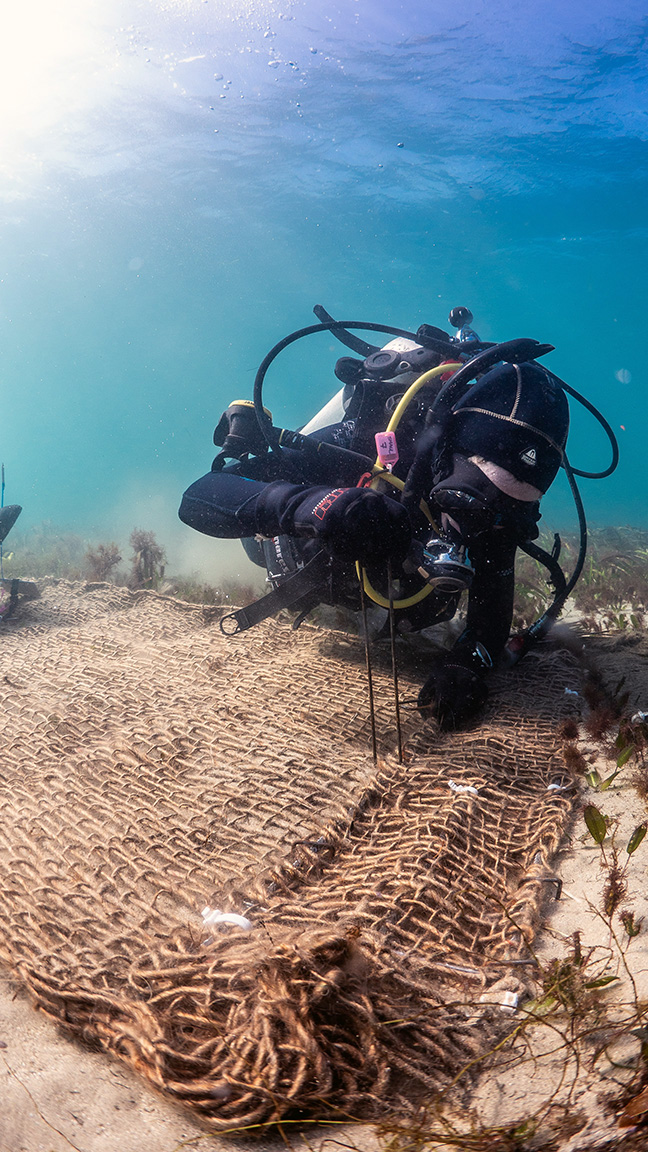
BESE-zip ties have already been fundamental in coral reef restoration projects, and have a multitude of other uses such as fastening seagrasses to BESE-elements.
PCL: from medical application to applications for nature
Our 100% biodegradable zip tie is made from PCL. PCL (Polycaprolactone) is often used in the medical world for its reliable slow degrading properties, this allows the use of slow degrading implantable drug delivery system. We now offer this material for the use in nature. PCL decomposes by microbes found in most natural environments. This allows the zip tie to degrade even at low temperatures. In the aquatic or oceanic conditions, the BESE-zip tie breaks down slower and it may take a couple of years.
PCL is broken down gradually through hydrolysis, this means it will not degrade in dry condition, like storage and indoors. It needs to get damp to breakdown.
Do you like to know more about biodegradability for nature restoration purposes? Then follow this link.



FAQ BESE-zip ties
BESE-zip ties break down in terrestrial environment over a period of 12 to 18 months. In marine and aquatic conditions the zip ties take a bit longer to degrade and it may take a few years.
The zip ties are made from pure polycaprolactone (PCL). PCL has been extensively studied for almost a century and is known for its degrading property in natural environments (Suzuki et al., 2021).
PCL used in BESE-zip ties is broken down by organisms through a process called decomposition, resulting in the production of carbon dioxide (CO2) and water (H2O) and biomass of microorganisms.
BESE-zip ties can be used in all types of ecosystems as an alternative for plastic zip ties.
The prices of the zip ties varies depending on the quantity ordered. Please contact the BESE-team for more information.
Contact usWe ship to all countries worldwide. For details of our transport costs please contact us using the button below.
contact us