



About this project


Results achieved
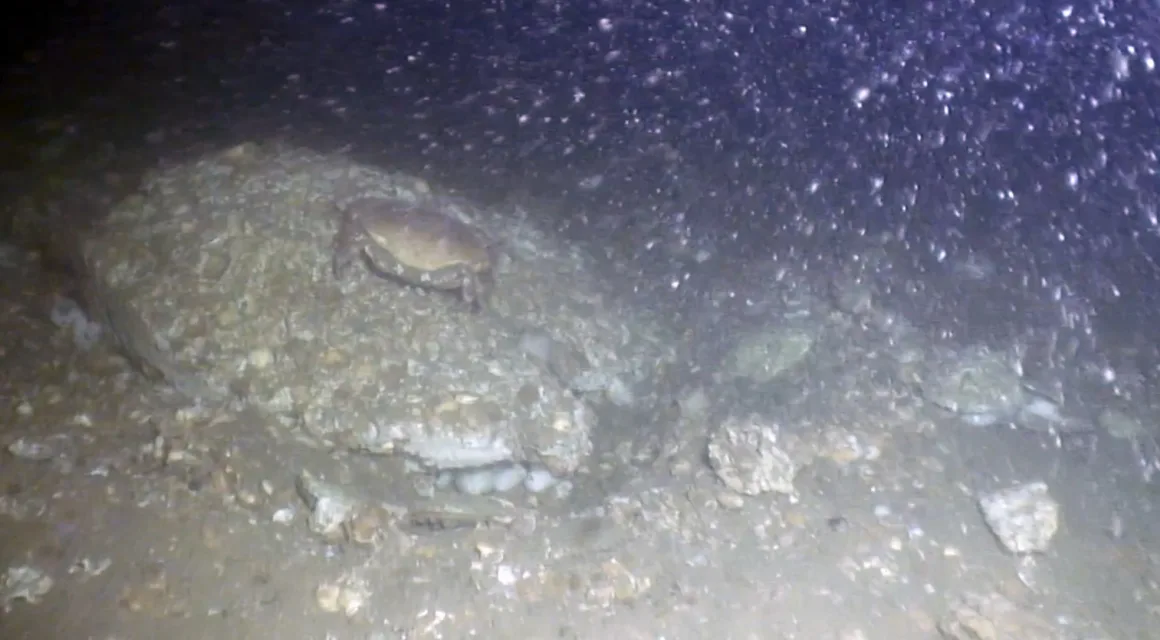
- The blocks stayed in place
- Oyster settlement is ongoing
Project partners

Ecological enhancement offshore wind farms
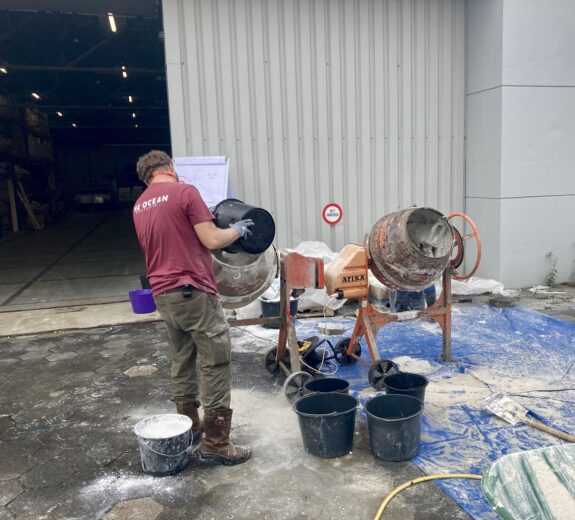
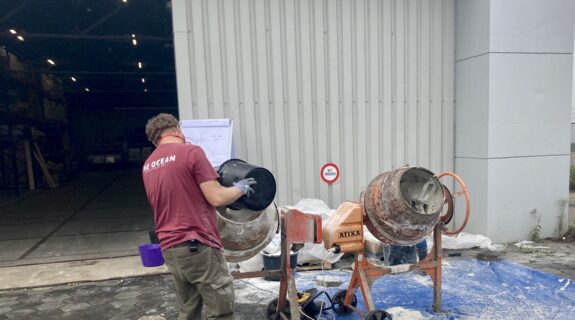
To create a suitable substrate for oyster larvae and other marine life within offshore wind farms. BESE-reef paste is being used to create blocks of paste mixed with shell material. On the seafloor this will form piles that are less likely to be buried and create a stable substrate for epifauna, lik
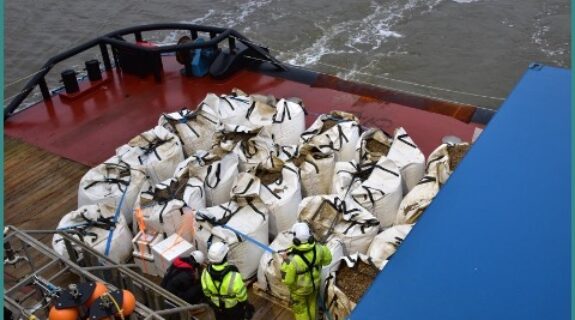
Erosion protection in offshore wind farms
Current erosion protection in wind farms is made of various stone and concrete structures, which must be completely removed after the life of the wind farm (20-25 years), together with the wind turbines. This can have major consequences for the underwater ecology, as it also removes all epifauna that has colonized on the hard substrate during the lifetime of the wind farm.
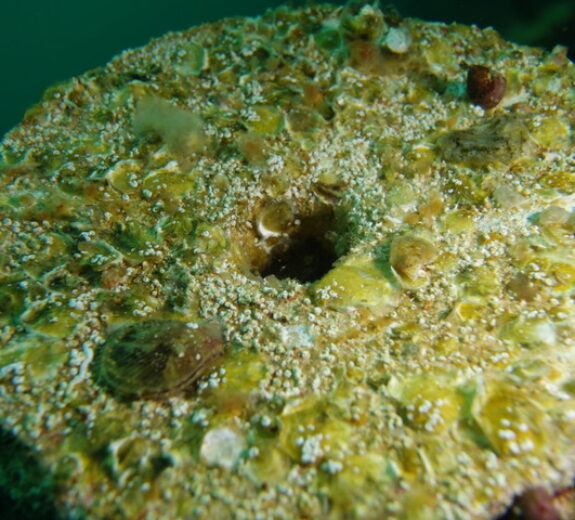
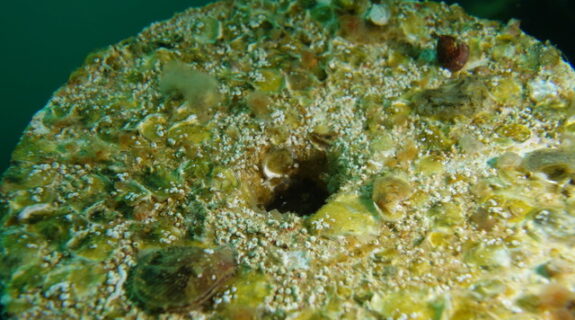
Artificial reefs made from BESE-reef paste
BESE-reef paste aids in improving marine life within windfarms by providing a suitable settlement substrate for marine species, like oysters. And because of its biobased and biodegradable nature, removal activities of the material are not necessary after the lifespan of the wind farm. The marine life that has overgrown the reef paste can remain and enhance the natural biodiversity in the area, even beyond the wind farm’s lifespan.
BESE-reef paste applications
The BESE-reef paste designed by BESE products can be used in windfarms as a hard substrate. The reef paste can be put into any mold to form blocks, which can be placed on the seafloor between the monopiles or on the scour protection. Again the paste promotes the settlement of reef building species like oysters.
Another option is to use the BESE-reef paste as a coating which can be applied on surfaces of the monopile or scour protection, to enhance the settlement of shellfish species especially oysters, on the substrate.
FAQ
GEMINI offers space between monopiles where added structure can provide ecological benefits. The moderate North Sea conditions, currents, and food availability support filter feeders. By adding targeted substrate, relief and roughness are created, helping oyster larvae attach and accelerating oyster reef restoration in offshore wind farms.
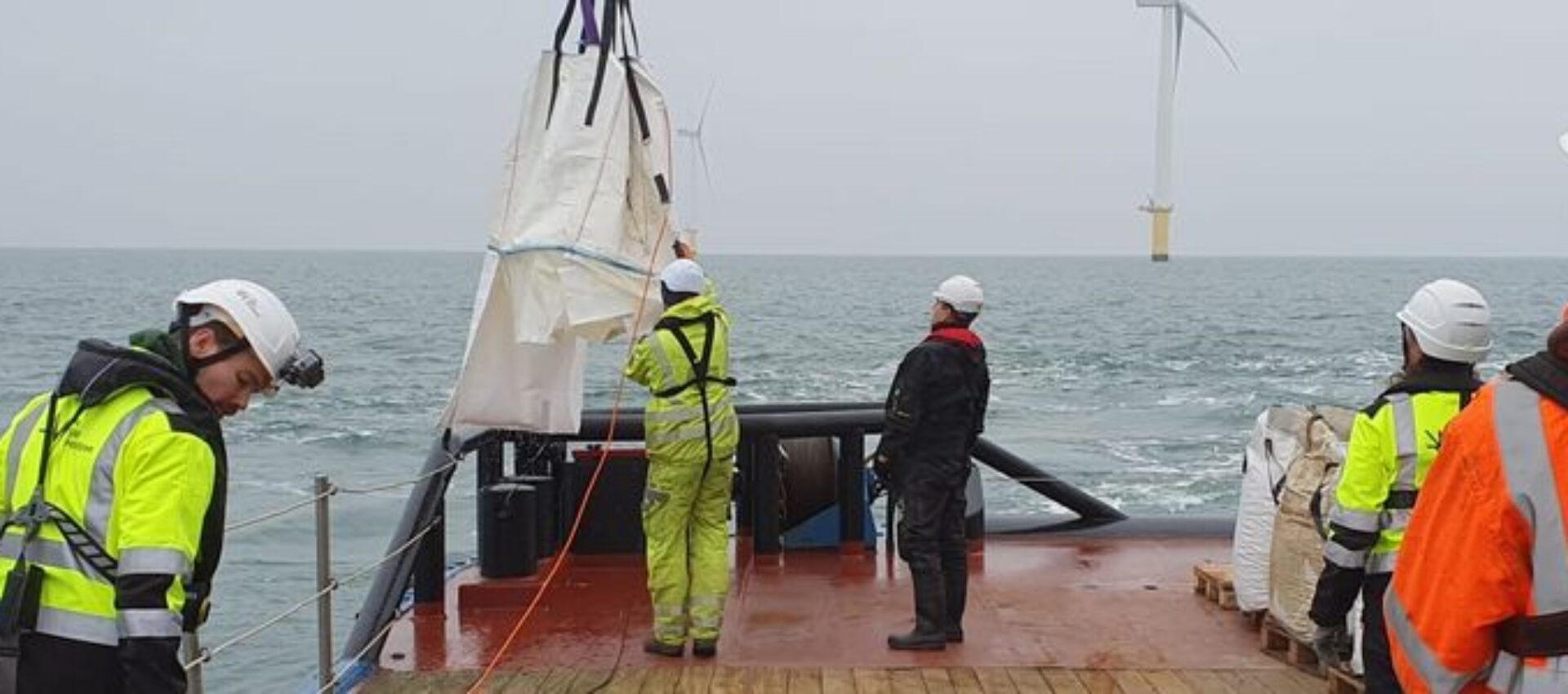
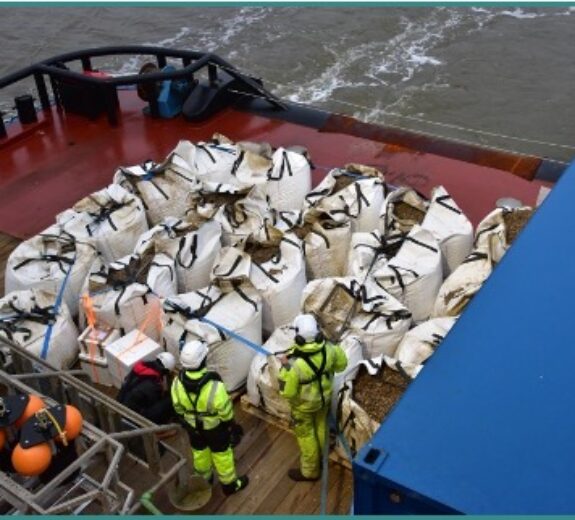
The shell–paste, BESE-reef paste, mixture was formed into blocks and stacked as piles on the seabed. This configuration reduces burial by sediment and improves stability. Placement uses standard offshore handling, adapted to safety, visibility, and currents. The result is a stable, rough surface that facilitates epifauna settlement.
Monitoring combines ROV inspections with photo documentation and sampling. Key indicators include spat density (juvenile oysters), growth rates, survival, and presence of other reef-associated species. This provides insight into seasonal dynamics, block stability, and biodiversity contributions within the wind farm.
The blocks create micro-relief that can reduce local flow speeds and sediment transport. This lowers the risk of complete burial and keeps the substrate accessible for larvae. The design complements existing scour protection and aims to provide stability without major changes to the wind farm foundation.
Because the substrate is biodegradable, active removal is generally unnecessary. The developed growth – including oyster reefs – can remain as natural habitat. This minimizes additional interventions and ensures continuity for species that have colonized the substrate, even after turbines and infrastructure are dismantled.
Site conditions before and after implementation
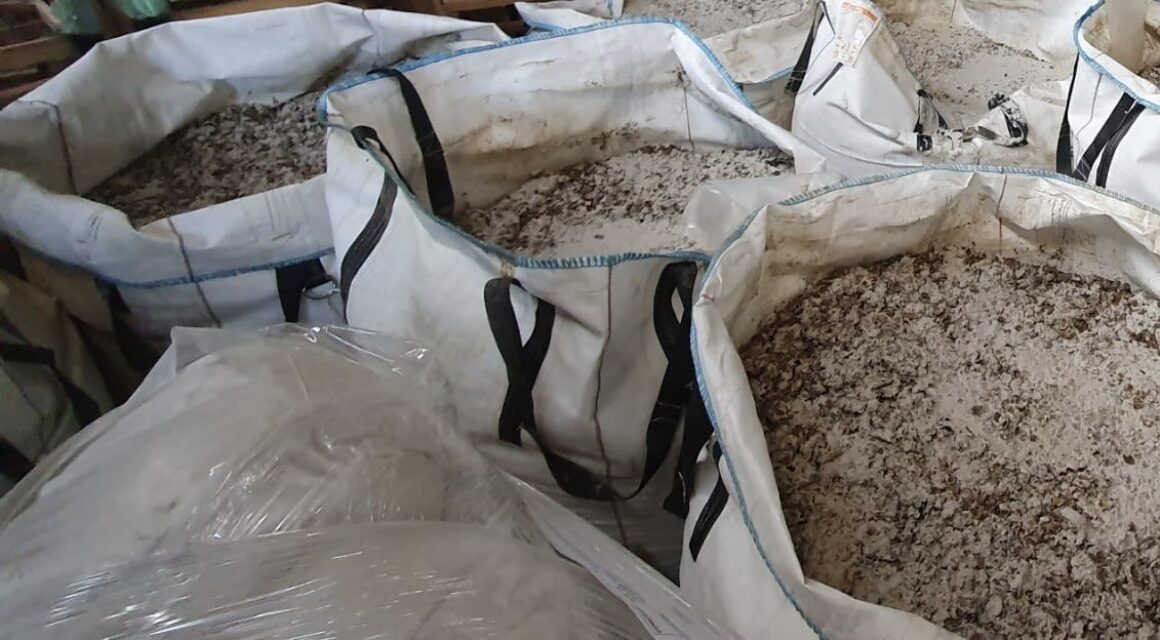
Results
- 25m3 of new substrate for oyster larvae and other marine life.
- Biodegradable material which can be left on the seafloor after the lifespan of the windfarm