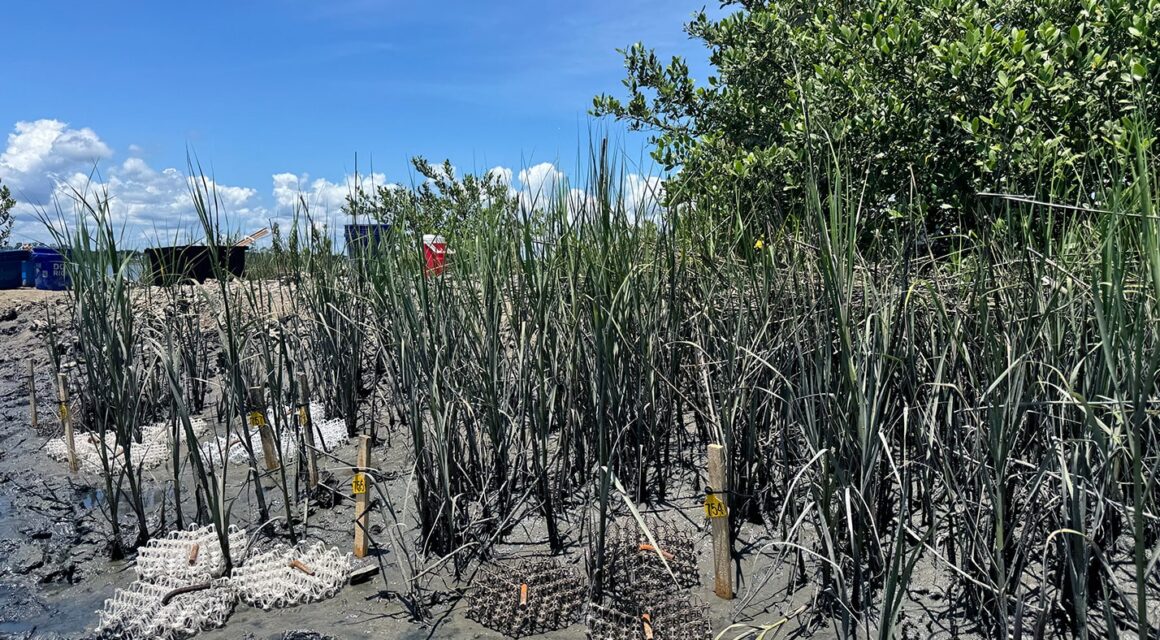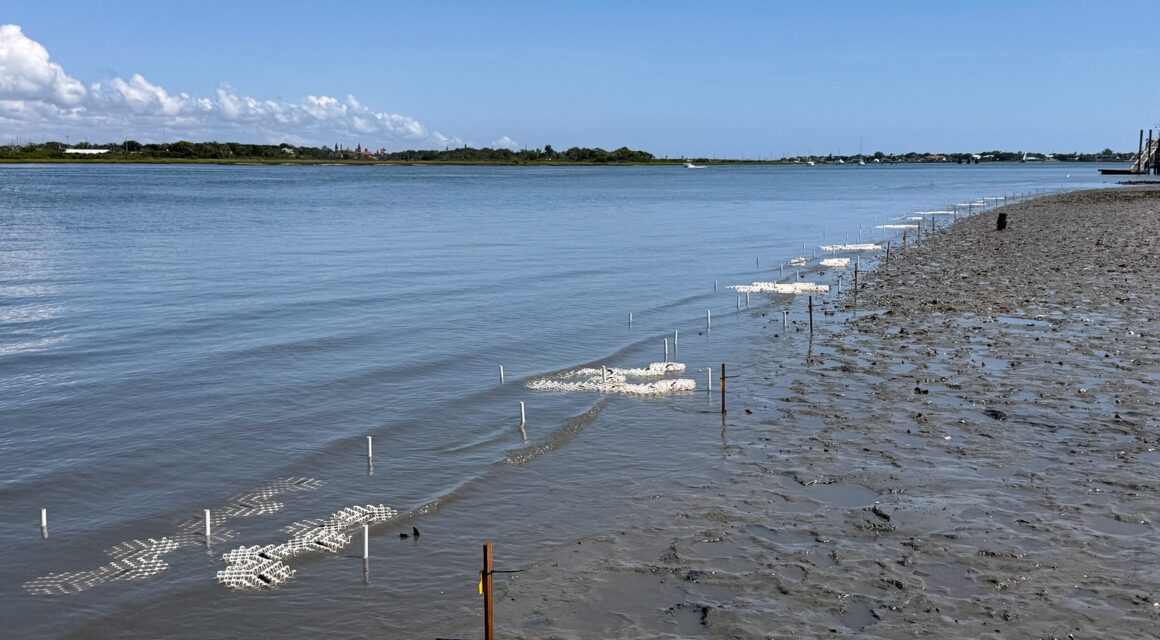

Assessing the performance of a new innovation developed by BESE: BESE-element type 3. The innovation is made from a new Polyhydroxyalkanoate (PHA) based material and shaped in a new geometric design that should further prevent erosion.
About this project


The primary objective of the pilot initiative is to assess the performance of a new innovation developed by BESE, called BESE-elements type 3. The BESE-elements 3.0 contain two main innovations that need to be validated; a new Polyhydroxyalkanoate (PHA) based material and a new geometric design that further prevents erosion.
Applied ecosystem
- Salt marshes
- Oyster reefs
Product used
- BESE-elements type 3
Results achieved
- Placement of two experiments on two field locations
- Monitoring start in June 2025
Project partners
- University of Central Florida
- University of Florida
- BATO plastics
- RB Biobased Institute
- NIOZ
- RVO

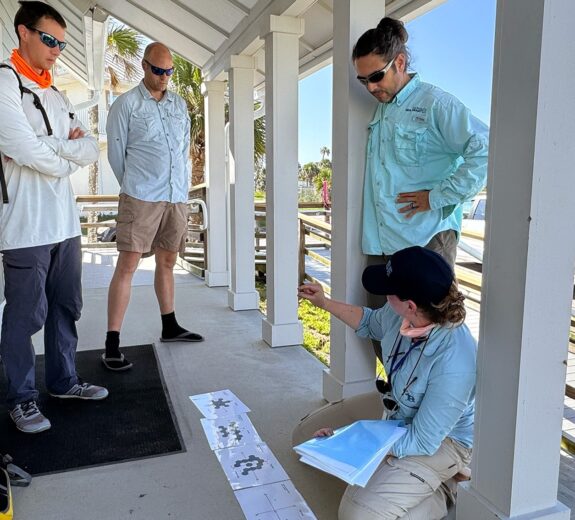
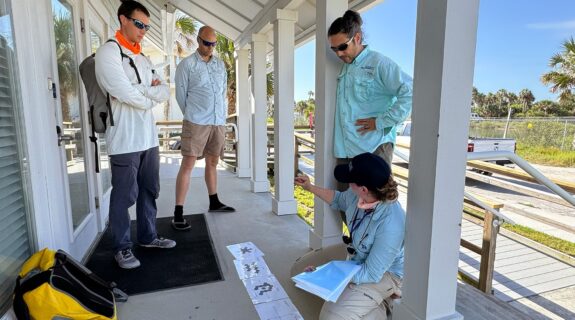
Pilot objective
The objective is to assess the biodegradability of the Polyhydroxyalkanoate (PHA) compounds constituting the structure, ascertain the successful settlement of oysters, and ensure the establishment of salt marsh roots within the structure.
With regards to the new geometric design, the objective of the pilot is to assess the influence of the novel structure on minimization of erosion and the likelihood of fragmentations due to dynamic sea forces.
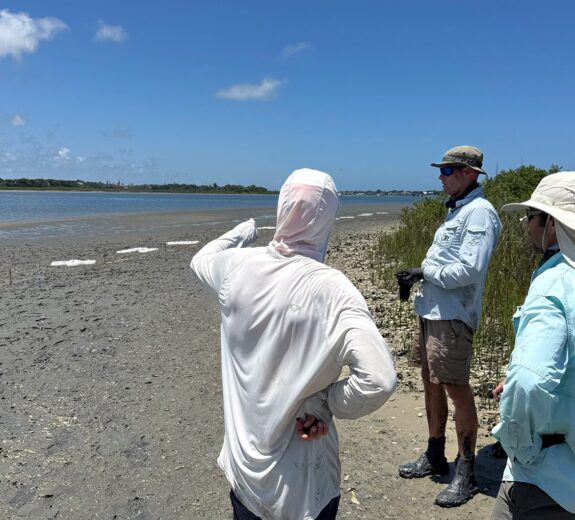
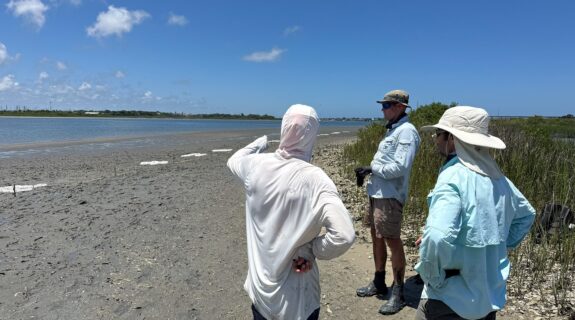
Expected end results
The expected results of the pilot project include:
● Two successfully installed pilot setups, one for oyster reef restoration at Mosquito Lagoon and one for salt marsh restoration at st. Augustine, Florida.
● Monitoring results:
○ The performance of BESE-elements 3.0 at both pilot setups on degradation, life
formation and erosion.
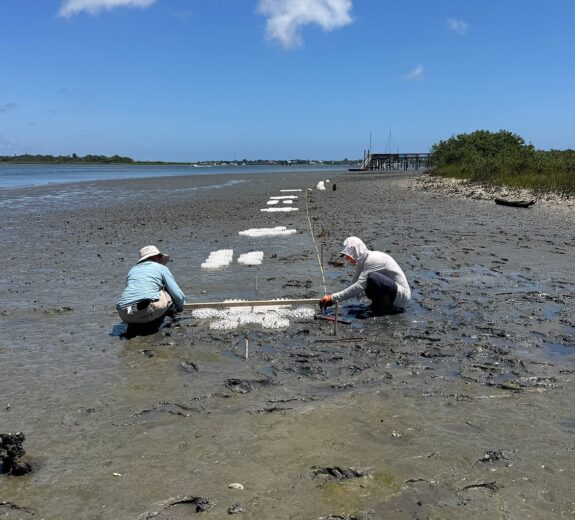
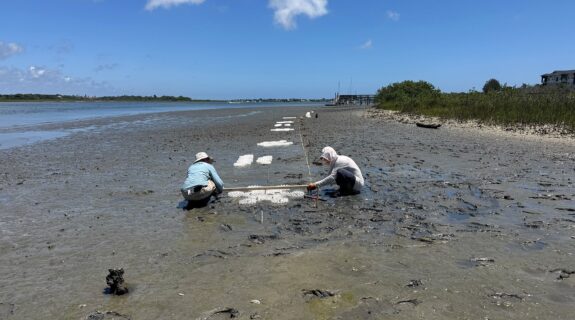
Installation and monitoring
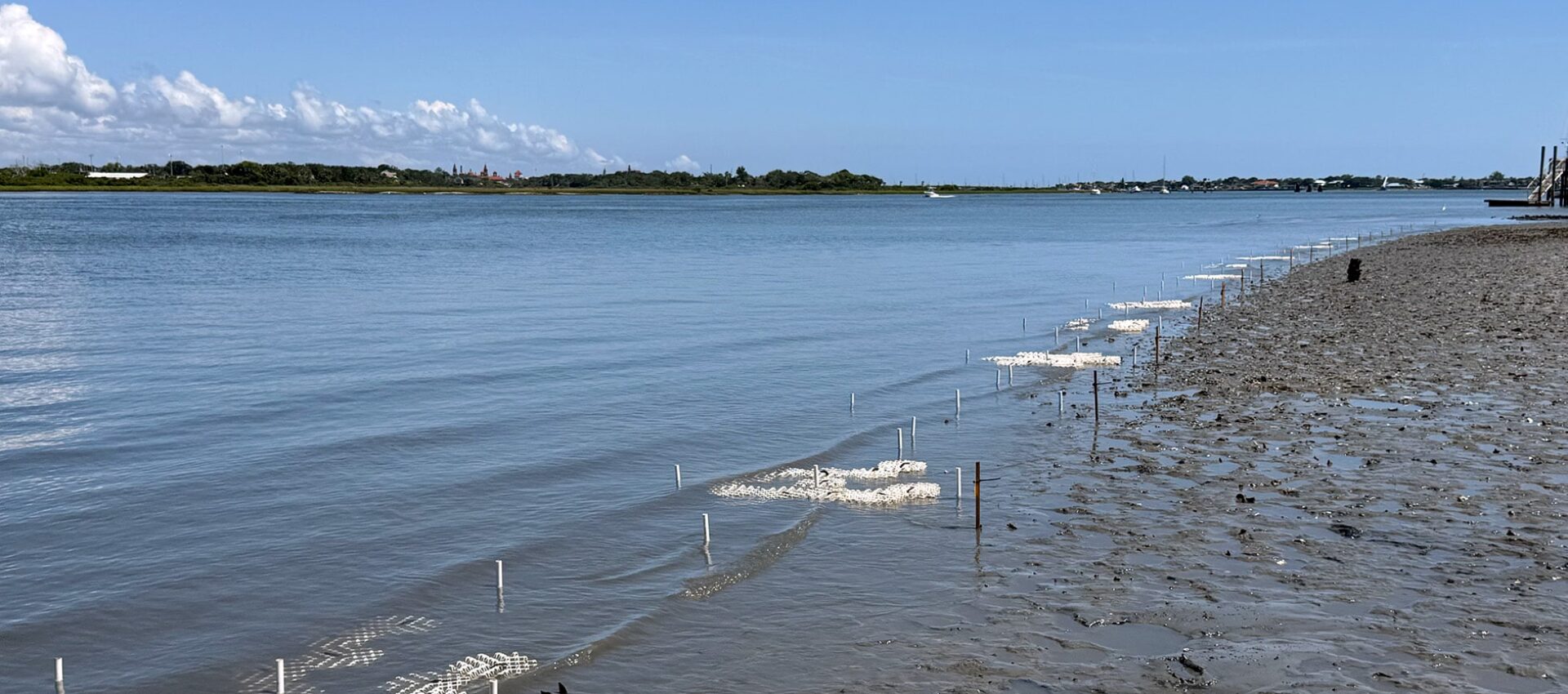
In June 2025 the pilot has been installed and monitoring will take place for two years to determine the performance of the new structures.